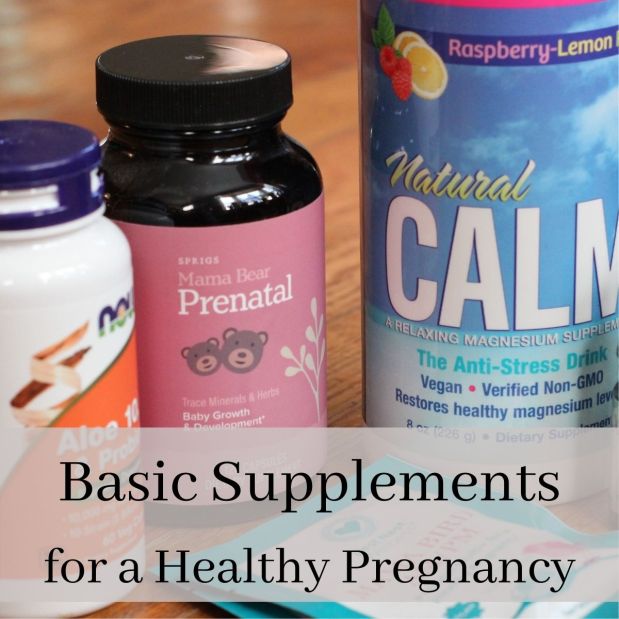
Basic Supplements for a Healthy Pregnancy

Basic Supplements for a Healthy Pregnancy

Are you confused with the myriad of pregnancy supplements out there, and wondering how to make the best choices that are good for you & baby while at the same time not depleting your budget? Have you wondered, too, which supplements are key and which aren’t actually necessary? And which supplements are going to actually provide you with the nutrients you need? And what are the basic supplements you should focus on? You’re certainly not alone in your musings!

As a midwife and a mom, I’ve had the same questions. I also know that it can be overwhelming to sort through brands, AND remember to take multiple vitamins and pills every day, especially if they have to happen at different times. I also want to make sure the moms and babies I’m caring for are getting the nutrients they need, which means NOT relying on the cheapest brands and options. If you’ve spent any amount of time researching options, you know that there lots of things to consider as you think about vitamins and supplements. Ideally, you want to use a brand that focuses on whole foods, organic sources, and includes bio-available nutrients (such as folate instead of synthetic folic acid). Of course, these vitamins aren’t going to be the cheapest ones available, which means that you will want to choose wisely, and consider using fewer supplements and making sure the ones you ARE taking are high-quality!

For those who have wondered, here is a list of the basic supplements that I routinely recommend to clients. Of course, more need to be added in the presence of specific conditions, but for most moms, these are the basics that I would encourage any mom to take during pregnancy (and while you’re nursing!):

For special considerations, these are typically the first recommendations:

  • B Vitamin (if dealing with low energy especially: your midwife can do blood tests to determine if it’s caused in part by a B vitamin or folate deficiency).
  • Iron (if low energy seems to be iron deficiency related)
  • Magnesium drink at night before bedtime to help promote restful sleep: Natural Calm
  • Trace Minerals to help with restless legs, leg cramps, muscle soreness: ConcenTrace Trace Mineral Drops

Most moms with low-risk pregnancies who are consuming a high-quality diet don’t need more than these to have a healthy pregnancy and healthy baby! For more information on understanding diet & supplements and their effect on mom and baby’s health (and what ingredients are important to be aware of!), I’d highly encourage you to check out the following sites:

Dr. Aviva Romm on Prenatal Vitamins

Lily Nichols on Folate vs. Folic Acid

Lily Nichols-information on diet and nutrition during pregnancy

And finally, if you’re looking for a place to purchase vitamins and supplements, I encourage all my clients to check out www.vitacost.com, as I typically find the best prices at that site!

I’d love to hear what prenatal vitamins and other supplements have worked for you! Feel free to share in the comments below so we can all learn together. And be sure to share this post with other moms that might benefit from the links and information!

Preparing for Postpartum Recovery

Preparing for Postpartum Recovery

The first few hours, days and weeks after having a baby are special times to treasure as you recover from birth, transition to mothering baby from the outside, and spend time bonding and adjusting. Being adequately prepared ahead of time can make a key difference in helping postpartum to flow smoothly and successfully. Here are a few tips to consider as you prepare and plan for AFTER baby arrives. Remember that adequate rest, low stress, nourishing food, good support and planning ahead will help you to heal and promote a better overall experience for baby’s first few weeks. It’s important for your physical & mental health to take recovery seriously, and provide your body with the things it needs to continue nourishing a baby while recovering from the demands of pregnancy & birth. You won’t regret being adequately prepared!

Before the Birth:

  • Consider your support system. Do you have a close friend or family member that would be willing to be a resource to answer questions, let you talk with when you’re feeling low emotionally, or just need a listening ear? Is there someone you can trust and feel comfortable with who could come into your home to help care for the household (especially if there are other children) for a few days or weeks so that you can adequately rest and recover? Is Daddy able to take some extended time off of work? How does support look to you? Do you have some babysitting options?
  • Meal Planning: consider having some wholesome family favorites stocked in the freezer so you don’t need to think about cooking. Does your church or support group have a plan for after-baby meals? Do you need to reach out to someone to coordinate this? Would you have a friend willing to start a “meal train” after your birth? And just a note to Gentle Delivery clients: if an online “meal train” is something that would bless you, your midwife is very glad to start this after your baby arrives!
  • Consider stocking up on disposable plates, cups, silverware, etc. in order to simplify clean up and household chores.
  • Shopping (consider the below suggestions, and try to have these things together before your baby is due):

Immediate Postpartum (first hours after birth)have these things handy in a basket or box for immediately after delivery.

  • Newborn Diapers & Baby Wipes
  • Preferred first outfit for baby, along with a swaddle blanket, socks and hat.
  • “Adult Diapers” or Depends (or whatever type of pad you prefer for heavier postpartum bleeding).
  • Comfortable Nightgown or Pajamas that are nursing accessible and easily work for skin-to-skin contact with baby.
  • Ibuprofen and/or tincture (such as AfterEase or After-Pain Relief) to help with after-pains.
  • Pre-made “padsicles” or perineal ice-packs and/or an herbal healing spray such as this one from MotherLove.
  • Heating pad or rice sock to help with sore muscles and after-pains.
  • Rhoid Balm, Tucks or other soothing support for hemorrhoids.
  • Large Water bottle that is easy to use, to remind & encourage you to drink lots of fluids!
  • Nourishing foods, drinks and snacks (think bone broth, energy bites, juice, etc.).

First Few Days since you’ll be resting and nursing and taking it easy the first few days, you’ll want to consider having some of these items purchased ahead of time, and ready to be used during the initial few days after baby arrives, in addition to the items above (which you’ll continue using throughout the first few days/weeks).

  • Comfortable nursing-accessible clothes and nursing bras (remember that you may go through multiple changes of clothes due to leaking milk, bleeding and/or baby messes!). Comfort is key, since you will be resting and sleeping whenever possible.
  • Belly Support Binder (can use a Rebozo or scarf, or you can purchase something like Belly Bandit or MamaStrut).
  • Breastfeeding helps:
    • Disposable or reusable Nursing Pads for your bra.
    • Small flexible ice packs or Breast Soothies to relieve engorgement the first week.
    • If you have experienced challenges with milk supply, have supplements such as MaxiMilk or Legendairy products available to start once your milk begins to come in.
  • Stool Softener or Magnesium to help the first stools pass easier.
  • Pads/period underwear for a lighter flow (be sure to check out non-toxic options such as these JewelPads).
  • A journal or baby book to jot down thoughts and memories.
  • Something to read or do as you spend hours nursing your baby!

And finally, feel free to print/download and post this list of visitor guidelines to aid you in navigating the stress and joy of baby visits during those first days!

End of Year Update for 2020!

End of Year Update for 2020!

Some highlights of the year!

Dear friends and clients of Gentle Delivery,                                                

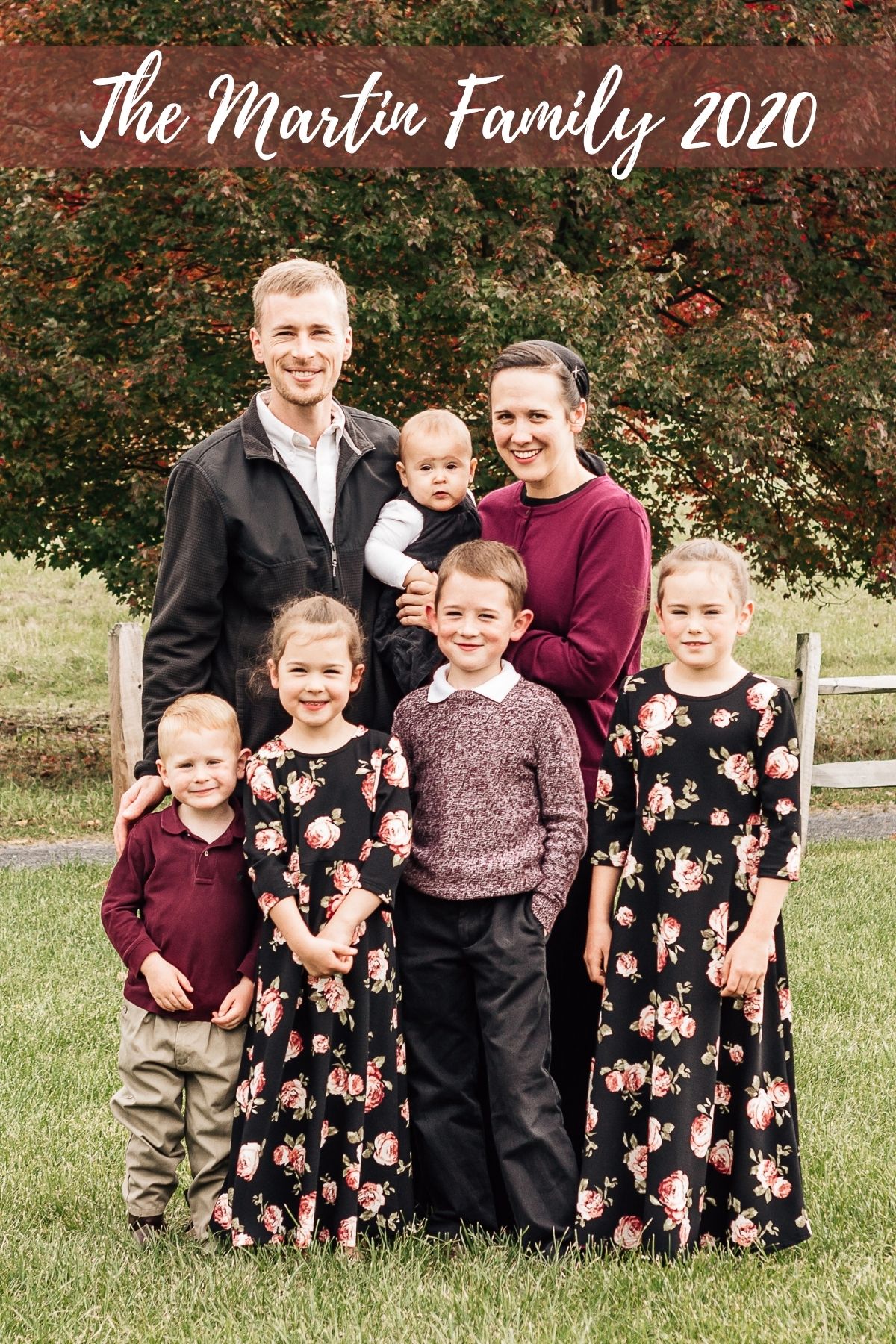
      As 2020 comes to a close, I am reminded of the fact that we really do not know what the next day or year will hold. Last year at this time our family was anticipating the arrival of our fifth child, little knowing how many strange twists and turns the New Year would bring to everyone all over the world. I am grateful to rest in the confidence that nothing takes God by surprise, and that He cares about the details of our lives, which provides strength & courage to press ahead into the future!

       After adding baby Tirzah to our family last December, I enjoyed a lengthy maternity leave, and felt so blessed and cared for during those first postpartum weeks. Thanks to many of you for your part in this! It’s true that you learn some things by experience that you couldn’t learn through academic study, and I am more committed than ever to encouraging moms to get adequate rest, adjust expectations, and take the time to really recuperate during those first postpartum weeks. It really is worth it! This baby has been our most contented, too, and while there are many things that probably play into this, one key factor that seemed to make a difference was the addition of infant probiotics into her daily routine from the very beginning. If you have struggled with fussiness in your baby, please take a minute to check out the blog post I wrote where I detailed this information—I really want to see more families benefit from my own challenging experiences!

            As you can imagine, the COVID pandemic has affected midwifery in more ways than one. After the initial quarantine I have been doing prenatal and postpartum care visits for local clients in their homes, as it reduces the exposure for those coming in and out of my home office. I’ve also had more inquiries into homebirth this year than ever before, as many families are concerned about hospital restrictions and germ exposure. Between this added level of interest in midwifery care and my added family responsibilities, I have needed to limit the distance I can travel for births, which has meant turning down requests in outlying areas even for a few clients I’ve worked with before.  

            One fun aspect of care this year has been the large amount of repeat clients I’ve been privileged to serve! It was really special to catch my first “fourth baby” for a family, and have the opportunity to see babies that I have caught in years past welcoming baby siblings. With one more 2020 baby left to go, the current stats for the biggest baby this year was 8#14oz, and the smallest was 5#14oz. The earliest baby came around 2 weeks early, and the latest was almost 2 weeks late, which goes to show that there is much variation in the range of “normal”. Assisting my back-up midwife with the home delivery of twins was another extra-special experience this year! Speaking of my back-up midwife, I am grateful to have the assistance of RoseMarie Spicher to care for clients when I am unavailable, and I’ve been glad to have a working relationship with a community of midwives in the general area who have all needed to pull together to cover for each other at times due to COVID exposure or for other reasons. I’m also excited to be working regularly again with Lynelle, as she plans to attend births as my assistant this next year after taking some time off to welcome her own baby this past summer.       

            Heading into 2021, I’m anticipating meeting many sweet babies, and I’m enjoying making new connections with many families who are choosing midwifery care and homebirth options for the first time. I continue to feel a sense of gratefulness towards each of you for giving me the privilege of working with your family as you journey through this intimate season of life. It truly is a gift to witness the miracle of birth and the wonder of that first cry, and the wonder of that moment never grows old!

            As I close, I also want to thank my family for their support as I do this work, and in particular thank my husband as he quickly and competently cares for our home and children during my random absences. It takes a special family to deal with the unpredictable aspects of having a midwife for a wife and mother, and I’m grateful for all they do behind the scenes to make this option available to the families I serve. It’s a joint effort, and I could not do what I do without Joel’s encouragement and work behind the scenes.

            May God bless you and your family throughout this next year!

           ~Kelsey Martin/Gentle Delivery Midwifery

Be sure to regularly check out this blog and the facebook page to stay updated on current news, helpful information, health suggestions, birth stories, and announcement of special events. I’m really hoping that playdates can resume again sometime in 2021!

Proactive Preparation Tips: Helping You Achieve a Successful Vaginal Birth

Proactive Preparation Tips: Helping You Achieve a Successful Vaginal Birth

Proactive Preparation

Proactive Preparation Tips: Helping You Achieve a Successful Vaginal Birth

If you’ve read much about preparing for birth, you probably have realized that there tends to be two different “extremes” when it comes to how much or how little you do to prepare your body for the marathon of birth. On the one hand, there are those who feel strongly that you need to “trust your body” to do what it was made to do, and that the addition of herbs and other proactive methods give moms a sense that their body is broken and unable to work on it’s own. The other hand tends to view the whole process of labor and birth as an “accident waiting to happen”, and rushes to medicalize every situation (for example, routinely inducing labor at 41 weeks just because it’s a week past your due date).

My personal opinion (and take this as my opinion-as with anything, you must do your own research and make your own decisions about these suggestions!), is that there should be a balance between these two extremes. I feel strongly that a women’s body was designed to grow, nourish, carry and deliver a baby, and that you can have confidence that this a totally normal and natural process (and not a medical emergency!). But just like any other capabilities your body may have, these abilities can be supported, enhanced and enabled to do their job more efficiently, smoothly and successfully. With that mindset, I’m going to share with you some suggestions on how to support and prepare your body in order to provide you with a greater possibility of achieving a low-risk, normal, natural vaginal birth.

Some of the biggest factors that arise that prevent moms from their desired birth outcome include: pain in pregnancy that prevent them from moving well at the end of pregnancy, going so far past your due date that your care provider feels like an induction is necessary, a long early phase of labor that prevents mom from getting adequate rest and results in exhaustion (which often ends in transport from home and/or an epidural to provide needed relaxation), and a long pushing period that sometimes ends in surgical or assisted delivery. While there are varying factors in all of these situations that can all be prevented, there are MANY things you can do to reduce your risk of these situations occurring, if you just know what to be aware of and how to help your body to prepare!

  • Movement, Alignment and Positioning:

One key factor that makes a difference in your pregnancy comfort level, baby’s ability to descend efficiently, and your overall length of pregnancy/labor is the position of your baby in relation to your pelvis. I highly recommend you find a good chiropractor in your area (for those who are local you can find some recommendations when you click on the “Local Resources” tab) who is certified in Webster technique and works with pregnant moms, and get regular adjustments specifically throughout the last 6 weeks of pregnancy. If your pelvis and muscles are out of alignment, they can keep baby from being able to descend into a position that is optimal for triggering the start of labor, and the ability of the baby to navigate the birth canal, which can then cause labor to stall and/or make it more challenging for you during the pushing phase.

For the best explanation of position and how this can affect labor (and what you can do about it!), I highly recommend that you take the time to watch the Parent Class taught by Gail Tully at Spinning Babies. Once you’ve watched it, check out the Spinning Babies website for more tips and suggestions on optimizing your baby’s position. And finally, if you are getting near your due date (or are past your due date and are waiting for baby!), taking time to complete a few rounds of the Miles Circuit exercises has been shown to improve baby’s position and encourage labor to happen.

  • Exercise:

As they say, you don’t decide to run a marathon and then complete it tomorrow! I think it’s wise to go into labor with a similar mindset as one would in preparing for a long-distance athletic event. Regular exercises that help to strengthen your legs, open your pelvis (think deep squats and lunges) and build your stamina can play a role in encouraging baby to come in good time, helping to improve your ability to handle the rigors of labor and provide you with a much better recovery. Even if you’re only able to include ten minutes of purposeful exercise a day, it will give you great benefits. Here’s one to get you started: 10 Minute Pregnancy Workout. Long, brisk walks and swimming are also great exercises to consider including in yoaur routine.

  • Herbal Supplements:
    • Red Raspberry Leaf Tea has amazing health benefits, besides helping to prepare and tone your uterus making contractions more efficient. I have more information on this great tea in my post over here, and you can begin drinking one cup a day during the 2nd trimester, increasing to 3+ cups per day as you near your due date.
    • Birth Preparation Formula: I have personally had great success taking an herbal supplement during the last 5-6 weeks of my pregnancies that is specifically geared towards preparing your uterus and cervix for labor. Yes, I take it in addition to Red Raspberry Leaf tea. If you have a history of preterm birth, you would want to wait to start this until 36 weeks, and on the flip side, if you tend to go way past your due date, you could begin taking it at 34 weeks up until delivery. The moms that I have had take this tend to have shorter labors, earlier deliveries, and minimal postpartum bleeding (myself included!). There are several different brands available, though I tend to think the tincture forms work the best. My all-time favorite is the  Gentle Birth Formula. You will need 4 to 6oz in order to take it daily for 5-6 weeks, and it’s best to not consume the tincture in the late afternoon/evening, as it can cause contractions that may prevent you from sleeping!
    • Evening Primrose Oil or Borage Oil: The high GLA content in either of these oils can help to soften and prepare your cervix for labor, which can assist the body in working more efficiently once labor actually begins. You want a “mega” gel-cap with 1000mg or more per capsule, and this can be taken orally every day for the last trimester, and then also inserted vaginally at bedtime during the last few weeks of pregnancy.
  • Abdominal Support:

Some moms just need some extra support for their abdominal muscles, especially if they have had a few babies, or if their babies tend to be large. The muscles that support the uterus and help it to contract efficiently can become stretched (think of a rubberband that has been completely stretched out, and doesn’t quite return to “normal”), and are unable to “hug” baby enough to get a consistent labor pattern started, or even get baby low enough to obtain a good position to begin with! One way to work with this is to consider regularly providing your uterus with support, in particularly during the last 6-8 weeks of pregnancy. You can purchase a maternity support belt (Belly Bandit has some great, albeit expensive options), but many women find that using a rebozo or long scarf/piece of scarf works great, such as is illustrated in this post here  and another option here. The goal is to pull the uterus slightly up and towards you, mimicking the way your muscles naturally pull, with provides a firm, consistent support (which also relieves pressure from your back!).

  • Eating Dates!

The benefit of consuming dates during the last weeks of pregnancy has only recently been discovered. The suggested protocol is to eat 4-6 dates daily beginning around 36 weeks until you deliver. To find out more, you can check out the details of a recent study at Evidence Based Birth and see what Mama Natural has to say here.

With the exception of eating dates (this is newer option I’ve discovered!), I have personally tried all of the above suggestions for my own five pregnancies and births, and have seen many women successfully use these recommendations throughout my midwifery practice over the past 11+ years. I wish I would have known about many of these earlier in my practice, as I think it would have prevented more transfers and unnecessarily lengthy labors. Another side benefit to following these suggestions is that your body is that much more prepared and ready should an induction actually be medically indicated. While I rarely have reason to need to get labor started, when there is this need and the body is ready for labor, then there are many more options available that have a high likelihood of actually working (in case you’re wondering, one method many midwives use is the Midwife’s Brew, but you should never attempt this without discussing the details, risk vs. benefit, etc. with your care provider!). And if you end up needing a hospitalized induction, the above suggestions will also increase the chances that you end up with a successful induction and normal vaginal birth.

Boosting Energy During Pregnancy

Boosting Energy During Pregnancy

pregnant-2277768_1280

If you’re like me, one of the huge challenges of pregnancy (especially early pregnancy!) is the severe lack of energy. Honestly, if you stop and think about it, your body is pouring so much into making a tiny baby that there just isn’t enough energy to do much else! While you might KNOW that your productivity can’t be measured by what you get done visibly, it can be hard when you feel like there isn’t enough of mommy to go around to all the needs at home.

In this post, I want to share a few tips that might help you get through pregnancy while keeping your energy levels up. There are many different factors in the equation, and honestly each one could be the subject of a separate post. For instance, a diet that is low in simple carbs & sugars, and has a good array of healthful fats and proteins can make a big difference for some women. To get more pointers on this, I’d highly recommend reading Lily Nichol’s book Real Food for Pregnancy. Another factor is getting some sunshine and movement (a walk outside can help immensely!). Yet another factor is finding ways to curb morning sickness (this is another topic on my mind for a future post).

While you may find that early on in your pregnancy you may have to forego your prenatal vitamins due to sickness (did you know prenatal vitamins can sometimes make you feel worse those first months?!? My personal philosophy is that if the vitamins keep you from keeping food down, then it’s best to scrap them for awhile!), once you’re able to take pills again, it’s key to find a quality vitamin. Getting adequate levels of minerals, as well as easy-to-absorb forms of folate, B12 and other vitamins can all contribute to boosting your energy levels. Check your labels to make sure that your vitamins contain folate (and NOT the synthetic form called folic acid), and that the B vitamins are methylated in order to promote absorption. This article on Folic acid vs. Folate may help you to better understand the difference, and why it matters.

Whether you can take your prenatal vitamins or not, I’ve found that supplementing with additional B vitamins can be a huge help, especially during the early months when your body is working so hard and fetal development is so rapidly taking place. During one of my pregnancies, I found that B vitamin injections provided me with some relief from morning sickness as well as boosted my energy levels, and when those weren’t available for me for my most recent pregnancy, I spent some time researching other options. I stumbled upon this gem, and found it to be an incredible energy boost: Max Stress B is a fermented, liquid B complex that provides a combination of B vitamins in a form your body can utilize quickly. Another helpful supplement is a B complex lozenge, which you can slip under your tongue before getting out of bed in the morning, and/or take throughout the day. Two brands I have appreciated are Jarrow  and Seeking Health. If you are only looking for B12, I find that these lozenges are great when you need an extra boost and mama doesn’t have time or opportunity for a nap: Jarrow B12. I even keep these on hand and use them when I’m up all night at births!

Low iron (anemia) can also be a reason for low energy, though sometimes this can even be corrected by the above B vitamins, as some types of anemia are actually caused by a B12 and folate deficiency (your midwife or care provider should be able to determine whether this is the cause by looking at your prenatal blood work). If your hemaglobin is actually low, then some suggestions would include supplementing with a plant-based whole-foods iron supplement such as  Garden of Life Iron,  adding daily doses of liquid chlorophyll, and even regularly consuming Blackstrap Molasses , all of which can help to gently increase your iron levels. If you need more iron suggestions and information, check out this article from Mama Natural on anemia during pregnancy.

These are just a few suggestions to get you started, and if you’ve found something that helps you with maintaining good energy levels during pregnancy, I would love to hear about it. And if you try any of these recommendations, let me know how it works for you. I love getting feedback and knowing what works for different people!

Resources and Info on COVID-19: Links, Practice Changes, Recommendations & More

Resources and Info on COVID-19: Links, Practice Changes, Recommendations & More

IMG_3380-001

With the COVID-19 crisis in full swing, it can be hard to know where to go for good information. As a midwife wanting to give my clients the best, up-to-date, evidenced based care as possible, I have found it extremely challenging to navigate all the information being thrown around as everyone scrambles to learn what they can about this new virus. Even information from reputable sources can contradict each other, leaving one’s head spinning, and making you unsure of what measures should be taken to protect your clients and your loved ones from any unnecessary exposure, while also caring for the emotional and physical needs of expectant moms! I’m sure you’re probably in a similar boat, so I’m wanting to make available some information sources for you as you try to understand how the current crisis may or may not affect you, your baby, your care, and your birth.

Here are some links that I have found helpful:

Aviva Romm Series on Covid-19 Info

WHO info for Pregnant and Nursing Mothers

National Association of Certified Professional Midwives: Covid-19

WHO Info-graphs

While information is changing on a day-to-day basis, I am currently implementing the following changes to my practice in order to minimize risk for my current clients, and enable safe midwifery care to continue in my community:

  • I am available to answer any questions clients might have via email or phone/text at any time.
  • Pushing prenatal visits further apart to minimize person-to-person contact.
  • Practicing social distancing and limited exposure for myself and my family, and not seeing any clients if myself or one of my family members are sick.
  • I will be performing April prenatal visits in client’s homes to reduce the risk of transmission or exposure. My current client load is light as I am just coming off of maternity leave, so this feels like the best option as I look into ways to make my home office space more practical for office visits due to the stringent recommended disinfectant protocols.
  • I am not taking on new (non-repeat) and/or long distance clients during April. I hope to resume new client consults and prenatals in May, but will base this on information as it becomes available, as well as on how able I am to handle the extra time needed to maintain the possible new protocols, etc. Having to unexpectedly homeschool two children this month, as well as juggling the demands of a nursing infant (and trying to understand what risk there could be to her health) all combine to make my days extra full right now, without adding in the hours of research needed to stay on top of current medical news!
  • If you are just beginning to look into the option of homebirth due to concerns with exposure at the hospital, I would suggest you begin by reading these two links:

I am also asking clients to follow these guidelines:

  • Please reschedule your visit if you or one of your family members are experiencing any of the typical Corona symptoms, including:
    • Fever
    • Coughing
    • Shortness of breath
    • And remember that Covid-19 care is outside of the scope of practice for your midwife to advise you on, so please contact the proper medical authorities if you suspect you may have contracted it!
  • Try to limit your exposure to illness by practicing safe social distancing from ill persons, and practicing good hygiene and hand washing.
  • Due to the unknown severity of respiratory complications for both mom and infant, a home birth will be out of the question if you test positive for COVID-19 over the time you are in labor.
  • Realize that there may be some changes in birth practices as more information and studies become available, so feel free to reach out with any questions, and stay tuned as I continue to research and keep you up to date on current research and practice guidelines/changes. Some of these changes may include restrictions on children attending prenatal appointments, amount of people in attendance at your birth, etc. As time goes by, I hope to have more concrete information to guide our practice protocols for the safety of everyone.

I would also strongly encourage all expectant moms to do what you can to boost your body’s (and your family’s!) natural ability to fight any virus (there are other illnesses out there you don’t want to catch, as well!). I don’t think we need to just sit back and hope we don’t get sick-you can be proactive in assisting your body in being able to resist and fight illness right now. There are some great resources available that help you to consider how healthy eating (low sugar, lots of whole foods) combined with adding some immune-boosting supplements (such as high-quality vitamin C, regular vitamin D, probiotics and others) and regular exercise can help you and your family to stay healthy and strong. Here are some resources to get you started in thinking about the possibilities:

Advice from a Pediatrician

Aviva Romm on Natural Remedies

If you’re interested on hearing additional perspective on the crisis from a well-known, more “naturally minded” pediatrician, then you may appreciate Dr. Sear’s podcast series: Coronavirus Update: Are We Doing it Right? Pt. 1

And finally, some practical ways to help you handle the extra challenges from social distancing right now, tips on reducing anxiety, and helps in understanding more about the virus: COPE Updates on Covid-19

If you have found a source to be especially helpful as you navigate the news surrounding Covid-19, I’d love to hear about it. And if you are in a different area, I’d love to hear how your midwife/care provider is implementing changes to their practices. Blessings to all of you expectant mamas navigating this new territory during this time in your life-I know it’s a challenge, and I am committed to continuing to provide you with personal, safe, gentle midwifery care!


2019 Year End Update

2019 Year End Update

img_3054.jpgDear Friends & Clients of Gentle Delivery,

As we come to the end of the year, I have to think about how blessed I have been to work with so many families during 2019 and to experience the special privilege of being involved as you welcome new life into your homes and families. Thank you for allowing me the opportunity to participate in these sacred times!

I’m also grateful for the women who have served alongside me as assistants.  Due to a variety of reasons (maternity leave, relocation, etc.) there were a number of faces to the assistant role, and I am thankful for each one! I also enjoyed getting to involve several students who were completing their requirements for certification, and I’m grateful for those of you who allowed these young ladies to participate in your care. A big thank you to Kristina, Marcile, Hannah, and Lynelle, as well as to my back-up midwife, RoseMarie, whose willingness to cover several times made it possible for me to enjoy some quality away-time with my own little family throughout the year.

It’s always fascinating to see how a year plays out and the variety that it can contain. Baby sizes ranged from 6lb 10oz up to almost 9 lb. Families served were expecting everything from baby #2 to baby #7, and I especially enjoyed serving several families for the second and third times-it’s special to be able to work with families for multiple pregnancies, and to see the older babies growing up! As usual, there were fast births (one little lady didn’t wait for me to arrive!) and those who took their time, and smooth pregnancies & births as well as those who experienced numerous complications—we were so thankful to see God answer specific prayers for the health of these moms & babies who are all thriving and doing well now.

IMG_20191112_111510082

One of our recent playdates!

I’ve enjoyed the opportunity to continue connecting with clients during our quarterly playdates throughout this past year. If you haven’t joined us, please consider it! You can watch the Facebook page for updates, or email me to be put on the update list. It’s a great way to stay in touch and meet other moms and homebirth babies who are in similar stages of life!

My own family is doing well, and the children are growing up so quickly, making us want to treasure this time we have while they are young. The biggest event in our lives this year was welcoming Tirzah Raquel into our home on December 14! Once she IMG_0933decided to make her appearance she came quickly, and we were once again thankful for Lynelle’s help as there was no way our midwife could arrive in time. I had really hoped to try using the birth pool this time, and was so grateful for how this helped the intensity! (I’ll post her birth story on the website sometime this next year, so be sure to follow so you get the notification, or watch the Facebook page!) We are thoroughly enjoying time to relax and recover as we adjust to adding a fifth child, and our older children are thoroughly smitten with her. It’s so special to see how much they love having a baby sister to snuggle and love on.

IMG_2695    As 2020 begins, I’ll be taking some time off call to concentrate on my own newborn, and to do some traveling as a family. But I’m already looking forward to the anticipated arrival of babies as we head towards the summer months. In closing, thanks again for your support, and blessings as you head into the New Year!

~ Kelsey Martin for Gentle Delivery Midwifery Services

Pregnancy Health: Red Raspberry Leaf Tea

Pregnancy Health: Red Raspberry Leaf Tea

IMG_9335

For a bit of a different post this month, I’m passing on one of my favorite ways to drink Red Raspberry Leaf Tea. Perhaps you’ve heard of this “women’s health” herb-there are seriously so many reasons why you should be consuming Red Raspberry Leaf on a regular basis, even when you’re not pregnant! It’s high in minerals and vitamins that your body needs, and has the added benefit during pregnancy of helping to tone and prepare your uterus in preparation for labor. In light of this fact, it’s wise to avoid this herb during the first trimester, as that is one season in which your uterus needs no extra stimulation. But once you reach the second trimester, I highly recommend making this supplement part of your daily routine. You can receive benefits by taking this herb in capsule or tincture form, but tea form is a great way to get the maximum benefit out of this particular herb.

If you’re wanting to learn more about the benefits of Red Raspberry Leaf, here are some great resources to check out:

One of the downsides to this tea, though, is that it doesn’t remotely taste like raspberry! And if yours does, the you’re drinking the wrong thing! If I drink red raspberry leaf tea straight, it doesn’t take long to be turned off-which is why today I’m sharing with you my favorite way to make it. If you have a favorite method, share it in the comments below so we can benefit from it, too!

IMG_8965

First, gather your ingredients:

  • Organic Cut & Sifted Red Raspberry Leaves (I use Frontier Co-op brand that I purchased through Amazon)
  • Raspberry Zinger Herbal Tea Bags from Celestial Seasonings
  • Lemon
  • Stevia or your choice of sweetener (honey also works)-pictured above is the NuNaturals Pure Extract Stevia that I use.
  • Purified Water

Fill a small pot with about 4 c. of purified water, bring to a boil. Turn off and add your tea: I like to use several re-usable tea strainers, that I fill with Red Raspberry leaves. For one batch, I use about 1/3c. total of loose leaves. Then I add four bags of Raspberry Zinger tea, to help improve the flavor. Stir this around, then cover and let steep for about 20-30 min.

Pour your concentrated tea into a glass pitcher (about a half gallon), and add the juice of half a lemon. Next, add a few dashes of stevia or other sweetener to taste. Fill the rest of your pitcher with purified water, and let sit until cool. Pour over ice, and enjoy! I store this in the fridge, and drink it cold, and I can consume so much more tea this way. Even my children love it!

“The First Birth”: A Story from 18 Years Ago

“The First Birth”: A Story from 18 Years Ago

Not the baby featured in this story, but another baby born early on in my training!

From the time I was young (8 years old or so!), I had an interest in midwifery. I’m sure it stemmed from the fact that my mother used midwives for her pregnancies and the births of my five younger siblings, which gave me exposure to this “alternative” type of care. This was back in the day when having babies at home was NOT the popular, photographed and blogged about way to have your baby as it has become today! The midwives that cared for my mother seemed like an extension of our family, and as a young girl growing up, they were certainly some of my heroes that I wanted to become like when I “grew up”.

I think I was about 14 when I seriously felt like midwifery was something I wanted to pursue. Still very young and extremely inexperienced…with no idea what all this profession entails! I had read lots of missionary biographies, and a common experience in most of them included helping in some way (either unexpectedly or because they were prepared!) in childbirth in various countries.  So it seemed to my 14-yr-old mind that this was certainly a skill that would be good to know, and I pictured myself helping women in some far-off jungle or desert clinic someday. As I got older, I continued to feel a major pull towards midwifery that wouldn’t go away.

By the time I was 16, I was convinced this is what I needed to start pursuing. My parents wisely recommend that I begin by doing some reading, and they told me that they thought I should probably try to attend a few births before diving in head-first in a midwifery study program. Their reasoning was that perhaps this was just a passing whim, and why sink all sorts of time, energy and money into something only to find out that I would faint at the sight of blood, or have some other sort of aversion to what all comes with the birth territory. This is no joke. I personally know people who were SURE midwifery was what they wanted to do, but when they faced the nitty gritty, it didn’t take long to realize that it wasn’t their calling after all!

So, the next question was how on earth was I going to get any birth experience in, seeing as I was so young and inexperienced?!? I figured I would have to wait years for the opportunity, though I was reminded that if God wanted it to happen, He could figure out a way. That’s what makes my first birth experience so special-it was completely unexpected!

The summer that I was to turn 17 found me helping several families out on a weekly basis, going in to care for children, clean, cook, or do whatever was needed as a mother’s helper. One family was expecting their fourth child that summer, and they were excitedly planning their first homebirth in our state. Seeing as they had several young children, and that I had been spending a lot of time with them over a number of months, they asked if I would be on call to come and help babysit when the mom went into labor. This was the plan, with a backup plan being set where the children could go to a neighbor family’s home if the mom decided she could relax better without children in the house.

So one hot (Kansas is REALLY hot in July!) day, I got a call that the mom was in early labor, and that they would be glad if I could come care for the children so she could concentrate on resting and relaxing. I went over and made supper, took care of some household things, and entertained the children so mom and dad could focus together. An hour or so after supper, the mom decided that she would prefer the children leave the house, which left me thinking that I should probably go since my job was done. But the mom looked at me and said “I want the children to go, but you are to stay. I don’t want you going anywhere.” I sure wasn’t going to argue with that! She then went on to tell me that she wanted me to rub her back “just so” while her husband finished setting up the birth supplies and called the midwives, which I was more than happy to do. All of a sudden things kicked right in, and I vividly remember both parents bemoaning the fact that they hadn’t studied better on how to catch a baby if the midwife didn’t make it! I was blissfully ignorant, as I was only aware of my own mother’s very long labors, and figured we still had a very long night ahead of us. Little did I know!

I continued my “job” applying back counter-pressure as dad set up birth supplies, sweated nervously as he watched the signs of his wife progressing rapidly, read his childbirth class manual, and gave his wife emotional support. Thankfully, the midwives arrived just as mom started feeling more pressure, and all the last details were quickly set up and ready to go. About half an hour after the midwives arrived, a beautiful, howling, red little boy made his safe and smooth appearance, and I was in awe. I had no idea birth could be this beautiful, and I was so very, very grateful for the amazing opportunity. I was flying pretty high for days after this experience, and as you can imagine, I was totally convinced that this was what I wanted to do.

What is really hard to believe is that this baby will turn 18 this summer…I cannot believe that time has flown, and this many years have passed. After this first birth, I attended random births that I was invited to (word started getting around that I was interested, and some very sweet, very brave women invited me to share in their experiences, for which I will always be grateful!), and eventually began midwifery school when God opened the doors. It’s now been over 10 years since I graduated and started my own practice, and I continue to be thankful for those who initially helped me to start down this path by allowing me to be present at such personal, private life events.  As I continue to reflect back on memories and celebrate 10 years of practice, I want to especially thank each of you moms and midwives who took this very young girl under their wing and gave her experiences that will last a lifetime!

I’m so privileged to be involved in this work of ushering life into the world!