
Miscarriage Questions: 10 Year Anniversary Interview Part 3

Miscarriage Questions: 10 Year Anniversary Interview Part 3

IMG_9270

Interview Pt 3: Miscarriage

This month I’m continuing to answer questions that were submitted by readers for Gentle Delivery’s 10th anniversary “ask the midwife” series (feel free to check out Part One and Part Two if you haven’t read them yet!) There were several questions asking about miscarriage and how that affects future care, and I’ve decided to make that the focus for this month. Sadly, miscarriage is a reality for many moms, and I’ve had more moms than usual experience miscarriage throughout this past year. Hopefully some of these suggestions and this information can be a blessing to those of you walking through this valley, or those of you wondering what happens next…

What is your approach when a client has a miscarriage? What do you say or do to help her through the process, and if she gets pregnant again later, does your prenatal care for her and the baby look different in any way?

This is one of the “flipsides” of midwifery practice…it’s not always dealing with excitement and new babies. Oftentimes miscarriage occurs “out of the blue”, and usually there is no obvious explanation, even though we usually wish we knew why, or what happened.

Typically, a client will have just been in touch to let me know that they are excited to set up a time to talk about homebirth (or resume care if they were a previous client), and then they let me know that they are having some spotting. Spotting in and of itself can indicate an impending miscarriage, or it can be indicative of an irritated cervix, or it can be sign of a “subchorionic hematoma” (which usually results in spotting/bleeding without harming the baby, and resolves on its own). Quite honestly, if a miscarriage is going to occur, there really isn’t much that you can do, as oftentimes if it is indeed going to progress into a miscarriage then the baby has already died by the point you are experiencing spotting. But the unknown is not easy, as you want to KNOW what is going on. Our options at this point include doing labwork to see where the progesterone and Hcg levels are by now and going in to an OBGYN or an ER for an ultrasound (usually this is a vaginal ultrasound in order to get the best look at the uterus in early pregnancy). If the mom is 5 or 6 weeks or more, they should be able to visualize the baby, and be able to tell if the heart is beating, and labwork can reveal whether the pregnancy hormones are continuing to increase as they should. If mom prefers to wait, then there are some herbs that can be taken, and some moms choose to also use progesterone cream to help support the body until we know for sure what is going on.

If the ultrasound or labwork shows that miscarriage is inevitable, then I try to offer support and encouragement while the mom walks through the next several days. In most cases, mom is able to pass the baby on her own, and we stay in touch via phone or email. Spotting usually progresses into bleeding, and cramps accompany the bleeding as the cervix dilates enough to pass everything, which typically happens within a week of the initial spotting. In the event that it takes a longer amount of time, then we can use herbs to help encourage things to move along, we closely monitor for infection, and occasionally we need to transfer to an OBGYN for further care.

Once a miscarriage has taken place, I really encourage moms to take it easy, and make sure that they give their body time to heal both physically and emotionally. Oftentimes a mom can be left feeling very tired and anemic, as the body usually loses a significant amount of blood, and the intensity of labor can leave her worn out. There is also the emotional side of processing the loss, and this combined with the hormonal swings that go along with pregnancy followed by delivery can create quite a roller coaster of emotions to work with, and mom needs to know that this is normal and okay…and that her body is grieving and adjusting, which takes time!

The good news is that a previous miscarriage in and of itself does not negatively affect care for a future pregnancy. As I mentioned before, we usually don’t know what the root cause was, but there are many moms who go on to carry a healthy pregnancy following a miscarriage. Sometimes it can help a mom to relax more if she has more frequent monitoring during the early weeks of pregnancy after a miscarriage, and I am glad to do progesterone and Hcg testing to make sure that these levels are increasing like they should during the initial weeks. Oftentimes these moms also want to get an ultrasound performed earlier, in order to know that everything is looking good and that baby is growing like he should. Other than these factors, there isn’t much different for prenatal care, unless a mom has had several miscarriages in a row.

If a mom has had several repeat miscarriages, I highly recommend consulting with a NaPro Fertility Specialist (these providers concentrate on helping to achieve and maintain correct hormonal balance in order to prepare a mom’s body for and help in maintaining pregnancy). Many moms have inadequate progesterone levels, and having a specialist helping to monitor levels and provide prescription strength progesterone when needed can be a tremendous blessing, and prevent the trauma of further losses.

In closing, here are some suggestions if you are walking through a miscarriage:

  • Drink red raspberry leaf tea frequently in order to help balance your hormones and increase your iron as you recover (although stop drinking if you become pregnant again, until you reach the second trimester).
  • Take Evening Primrose Oil to help regulate hormones and support the body.
  • Consider taking an herbal-based iron supplement for several weeks to help restore your iron levels.
  • Take time to rest, don’t push yourself too hard, drink a lot of fluid, and take time to reflect on the short life you were given to carry, and allow yourself time to recuperate and heal before trying to resume your normal responsibilities.
  • Check out these sites that have further tips: Healing After Miscarriage and Healing Naturally.

And if you are preparing for pregnancy following a miscarriage, here are some ways to support your body:

  • Take folate (not synthetic folic acid!) and methylated B vitamins regularly.
  • Start taking a high-quality plant-based (not synthetic!) prenatal vitamin to build your body’s supply of needed vitamins and minerals.
  • Look into the benefits of using a quality, natural based over-the-counter progesterone cream to help promote healthy progesterone levels.
  • Consider having some herbal tincture on hand (such as C & B formula from Mountain Meadow Herbs) that you could take at the first sign of any cramping or spotting-this tincture helps to calm the uterus.
  • Check out this blog post for more practical tips: Preventing Miscarriage

In closing, would you have any suggestions you would add? If you have experienced a miscarriage, what was the best information and advice you were given? Any suggestions for moms hoping to get pregnant soon after going through a loss? I’d love to hear your answers if you would be willing to share!
 

New Resources to Help You Achieve a Healthy Pregnancy, Lovely Birth & Successful Postpartum Recovery!

New Resources to Help You Achieve a Healthy Pregnancy, Lovely Birth & Successful Postpartum Recovery!

IMG_0015

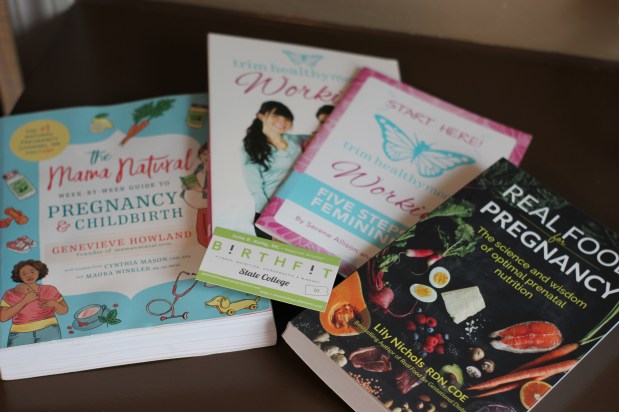
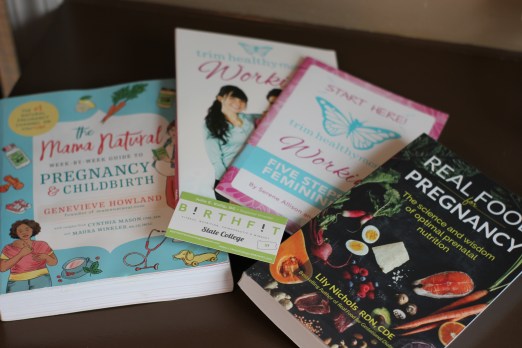
Some of the resources featured in this post

Hoping for a Healthy Pregnancy, Lovely Birth & Successful Postpartum Recovery? Here’s some resources to get started!

**Note, I am NOT affiliated with ANY of these resources, and I do not receive any financial gain or otherwise for promoting these products!**

As you might know, I love trying to stay up-to-date on current research and information about having a healthy pregnancy and postpartum recovery. I really want to be able to give clients good, solid information, and help them to achieve their desires for a low-risk pregnancy, beautiful birth, and end up with a supported, successful period of postpartum recovery. None of these things just happen, though. It takes concerted effort on the part of mom and her support team, and having some quality resources available to you can make all the difference in the world to achieving these goals!

These days, there are so many resources available, that it’s often hard to know where to start. And so many places have conflicting information, which only adds to the confusion about who to believe, and what is actual fact. Between blogs, articles, mommy boards, books and free advice, you might be wondering just where to concentrate your efforts in getting some basic information.

I have been so delighted to be made aware of some great resources that are available, and the purpose of this post is to introduce you to a few of these. This is by no means an exhaustive list, so if you have more resources to suggest, please add them in the comments so we can all learn from each other!

Nutrition:

This is a MUST READ for all pregnant women, and anyone even thinking about having a baby. Optimal nutrition starts now, and builds a foundation for a healthy mom and healthy baby. Real Food for Pregnancy: The Science & Wisdom of Optimal Prenatal Nutrition by Lily Nichols is the BEST book on nutrition that I’ve read in a long time. She will help you to understand how lacking our standard American diet is in real nutrients, and why so many moms end up with gestational diabetes, high blood pressure & pre-ecclampsia. For all the incredible information, it’s written in a very easy-to-understand style. She will help you understand why you need quality vitamins that utilize activated forms of B vitamins and folate, how much protein and good fats you need, what type of salt your body actually needs, how to reduce your carbohydrate intake, what type of exercise you need, and so much more. There is seriously so much more in this book than JUST nutrition, and your body will reap benefits from applying the information it contains! There is another book by the same author entitled Real Food for Gestational Diabetes that is especially geared towards helping moms to balance their blood sugars and manage gestational diabetes through quality diet changes.

Pregnancy Guide:

Have you seen the old “What to Expect” series for expectant moms? Well, you can think of The MamaNatural Week-by-Week Guide to Pregnancy & Childbirth by Genevieve Howland as a new, up-to-date version from a natural, holistic perspective. It’s great, and I think it should be a standard baby shower gift for every expectant mom (though they should probably have it well before the baby shower, honestly!). With input from a CNM and a doula, this guide goes through all the typical questions you face week-by-week, and gives advice on nutrition, tests to consider (and why you’d do them or why you might opt out), what you should be thinking about and preparing for, and how to go about choosing the right caregiver, birth location and options that are right for you. I love the fact that the book gives great info on home, birth center and hospital options, helping moms to achieve a great birth no matter where their location, but helping them to do so as healthily and naturally as possible.

Exercise:

So, while the other two books I mention touch on exercise, there are also some resources available that FOCUS on exercise. As I’m sure you know, exercise is important during pregnancy especially as you prepare for birth (you wouldn’t expect to run a marathon without training for it, right? We should think the same way about training for birth…), but did you also know that exercise is important for your body AFTER pregnancy? Our bodies go through some pretty amazing transitions as they grow a tiny human from smaller than a speck to 7-9lbs, which pushes our stomach up, our bladder down, and challenges our circulation. And then the baby has to come out…and our internal organs all must shift and readjust, and the muscles are stretched and then must get smaller…which means that there is A LOT of changes and stress for the body to recover from!

You’ve probably read or seen articles that talk about healing from diastasis after pregnancy, and/or about incontinence issues, pelvic pain, etc. that can occur postpartum, which can increase in possibility as you have more children, or have babies fairly close together without a lot of time for needed healing. But did you know there are actually things you can do about these issues? And that there are answers out there which can help you recover from pregnancy, and help you go into and through another pregnancy in even better physical condition than before?

One of the resources that can help is to take a prenatal or postpartum class through BirthFit. I love their motto: Giving birth might be the most athletic event of your life. Train for it. Isn’t that true?? In our area, classes are taught by Julie Kulig, a local chiropractor who uses her extensive knowledge to help moms develop a program that works for them. Her prenatal classes focus more on exercise, diet and birth options, and her postpartum classes focus specifically on helping the body to heal and recover from birth. She helps moms to strengthen their core in the correct way to heal any disastasis recti,  guides you in exercises to tone and strengthen the pelvic floor, and teaches you how to move (picking up fat, chunky babies off the floor, anyone??) correctly so as to prevent injury. I personally took her BirthFit Postpartum class, and have been very excited with the benefits I received…and it was really good for me to realize I was capable of doing more than what I realized I could do when it came to good workouts. You can check online to see if there is an instructor near you, and you can also access a lot of the BirthFit information on their website-they offer online classes, as well.

Now, maybe you don’t have access to a BirthFit class, or have lots of little people around, and wonder how you could ever fit something like this into your life. I get it! I’ve been on the lookout for years for a good, tailored-for-moms exercise program that could be done in 20 min. or less each day. Honestly, there are times in my life where I just don’t have more time than that, and if an exercise program is going to take longer, it just won’t get done. So I was really excited to get ahold of the Trim Healthy Mama “Workins” DVD series. What has been fun is to see so much of what I learned at BirthFit being re-affirmed by Serene & Pearl, only this program is one that I can do at home, and working along with the DVD helps to provide me with more motivation than going at it alone.  Each exercise routine can be completed in 19-20 min, using mostly items you have at home, and they are geared specifically towards moms in the childbearing stage. This means they are specifically targeting pelvic floor strength & core stability, and they include modifications to use during pregnancy, or if you’re just getting started postpartum or in exercising regularly in general. I love their down-to-earth style-it makes you feel like you’re working out with your girlfriends. You can find out more and watch an intro video about the program here.

IMG-20180820-WA0000

I hope you can find some of these resources helpful in your own journey to better health, especially in relation to pregnancy & postpartum! I’d love to hear what you would recommend, so please feel free to share!

Natural & Nutritious Formula Options: Resources & Info for Families Needing a Healthy Alternative to Breastmilk

Natural & Nutritious Formula Options: Resources & Info for Families Needing a Healthy Alternative to Breastmilk

Before I had children, I would have said that breastmilk is the absolute best choice for feeding a baby, and that a mom should try everything possible to breastfeed…and that if you tried hard enough, you would be able to succeed. However, once I entered the realm of motherhood, and actually experienced the things I had only previously read/observed/seen, I have learned that ideals are not always reality. My youngest baby just turned 10 months old, and I have once again faced the challenges of tongue-ties, latch issues, lack of sufficient supply, colic, fussiness, food sensitives, and more. Some of those subjects will be material for future posts, but I mention them to give you the background as to what inspired this post. As we have worked through these challenges, my husband has encouraged me that perhaps the things we learned will benefit others, so this is an attempt to do just that!

If you’ve struggled with nursing challenges, you totally understand the emotional roller coaster that is included. For some reason, the inability to feed and nurture your baby via the way in which you were designed to nourish him cuts deeply into our mother-hearts. As we tried one thing after another, I also felt like I was mourning a loss…I WANTED to nurse my baby, and I wanted to feed him the best, and know that I was nurturing him both emotionally and physically. I mean, breast milk is the best, right?!? And on top of those emotions (and who is not hormonal and emotional when you have a baby, aren’t sleeping, and are worried about your baby’s health?!?), there are all the questions about what to do, and if you’re going to supplement, what are you going to use??

This is where I want to help! While I know it can take a while before you can look at your situation objectively, there ARE other options available by which you can feed your baby and know that you are giving him something that is actually going to help him thrive and will meet his nutritional needs. I think that moms in the midst of feeding challenges have enough on their plates that they don’t need to add sorting through all the supplement information on top of it. My hope is that I can give you some pointers, and put some information at your fingertips in order to simplify your quest to figure out what is best for you and your baby.

As I spent time researching different options available, here are the three categories that I would recommend checking out:

  1. Weston Price Foundation Home-Made Formula: (find info here) This is what I used with my second child, who had similar nursing challenges and needed to supplement. At the time of his baby-hood, we lived in a rural area and had access to organic, raw milk from a dairy I trusted. He did really, really well on this formula, and I liked the fact that I knew exactly what was in it, and that it was REAL food. It took a bit to get the rhythm down and purchase all the ingredients, but once the pantry was stocked it didn’t take long to whip it up, and was actually a low-cost option long term. When he reached 6 months he used this formula exclusively until he was eating table foods, and was healthy and happy.  Once I used this, I figured my quest for a good supplement was over, but I didn’t count on the individual baby involved! My current baby could not tolerate it made with the milk I had available, and was also unable to tolerate it when made with goats milk. So the research continued as I tried to figure out how to help THIS baby and his own personal needs…
  2. Mt. Capra Goat Formula: (Info here) As I was continuing to research my options, I came across a number of recommendations for this formula. While it is not made using raw milk, you still assemble it yourself according to a specific recipe, thus allowing you to know exactly what it is in it, and still sticking close to the “real food” ideal. There is a kit available to simplify the process of acquiring all the ingredients, and the Mt. Capra website supplies high quality resources. After my baby didn’t tolerate the goat’s milk, I decided against the investment needed to try this, but it still looks like a really good, healthful option, and I’ve heard that there are many happy, thriving babies using this formula!
  3. European Formulas: I eventually stumbled across the realm of imported baby formulas from Europe. I’ll warn you, they aren’t cheap. And they are powered (that part still bugs me if I think about it long-what about feeding your children REAL food?!?). But they have been a literal answer to prayer for me and this baby. One of my big objections to using traditional formula is the fact that most of them are sweetened using corn syrup solids. Corn syrup!?!? We don’t even eat that ourselves, so why would I feed it to my little baby? And then there are the issues of soy, additives, and the list goes on. So I was amazed when I realized that there are several options of formula available that are made from organic milk, sweetened with lactose, have pre/probiotics, and are soy free. Instead of repeating information about these formulas myself, I’m going to include some links where you can see the brands available, along with their features and ingredients:

I will admit, too, that while powdered formula might not fit my ideal, it has been a helpful simplification to our life! My baby actually really liked the taste, and I happily observed that his diapers were hardly different in texture/smell than the usual breastmilk diapers. At 10 months (he started using formula exclusively at 7 months) he is a solid little guy that is SO much happier than he was before. There are several different suppliers in the US, and I have been happy purchasing from www.buyorganicformula.com.  Their customer service has been excellent, and my order always arrives promptly, and I’d highly recommend checking out their site. If you sign up for their mailing list, they will frequently send you coupon codes that can be quite helpful!

My happy fellow at 9 months!

My hope is that my experience and time spent searching can help to lift the load for another mom wading through her options! May you be encouraged today, and remember that you can still have a special bond with your baby AND know that you are meeting his/her nutritional needs even if you need do it in a different way than nursing.

I’d love to hear your thoughts-and what worked for you. Please feel free to comment with your own resources, experiences, stories and information-it’s great when we can help each other this way. Thanks for your contribution!

Preparing for Cold Season: Pregnancy-safe Remedies to Stock in Your Medicine Cabinet

Preparing for Cold Season: Pregnancy-safe Remedies to Stock in Your Medicine Cabinet

img_4329As we head into the fall and winter months, I thought it might be a good time to mention a few of my favorite pregnancy-safe cold and flu remedies. During pregnancy, the extra demands on  your body combined with a suppressed immune system make for a greater chance of picking up an unwanted virus. But there are things you can do to help boost your body’s immune system, and to be ready to battle off a cold at the first sign or symptom!

One question I get asked often is whether or not there are medicines you can take safely during pregnancy, especially to help with fever or cold symptoms. As a general rule, you want to avoid ibuprofen (found in Advil or Motrin), but acetaminophen (Tylenol) is okay for occasional use, as long as you stay away from the cold combinations marked as “multi-symptom” (these are too strong for pregnancy). But I would strongly suggest that you really do reserve any type of medications as only an emergency remedy (like needing relief so you can be at the family wedding, for instance!), as there are still conflicting results in the medical literature, and you certainly want to be extremely careful about what you putting into your system during such a crucial time in your baby’s growth and development.

But did you know there are some really good natural ways to fight off a cold? Here are some great remedies…and let me note here that I am in no way affiliated with any of these particular brands or companies-in other words, I’m not being paid to pass this information on to you!

  • Extra Vitamin C: I like to keep a high-potency Vitamin C (such as the Ester C picture) in the cabinet for the times when I feel a cold coming on. Taking several thousand miligrams a day for a couple of days will help give your immune system a needed boost!
  • Emergen-C: these little packets that you mix into water to create a fizzy drink can really give you some extra energy during those days you feel tired and down from being sick. Full of extra B vitamins, other vitamins and needed minerals, these are great to keep around for emergencies.
  • Infant Immune Booster from Mountain Meadow Herbs is a combination of Elderberry and Echineacea in a glycerin base, and is safe for use during pregnancy, as well as being safe to give your little ones.
  • Immune Boost for Pregnancy by Wishgarden Herbs is a gentle combination of specific herbs that help to boost your immune system while still being pregnancy-safe.
  • Garlic-lots and lots of garlic! Garlic is a great way to fight off a cold, and you can take it by capsule, or eat it straight. This is one remedy, though, where everyone will know what you’re doing. 🙂
  • Elderberry Syrup: you can purchase this on Vitacost.com (my favorite place to purchase supplements that are reasonably priced!), and take it regularly whenever you feel the need.
  • And finally, when you (or your little one!) are struggling with a cough, here is my favorite natural cough syrup: Olba Natural Cough Syrup. I was delighted to find this one, and I can tell you that it really does work! Sweetened with honey and full of herbs, it is a great addition to your medicine cabinet.

So, here’s wishing you a healthy fall…and hoping these suggestions can be a help if you find yourself down with a cold or needing an extra immune boost. What are your favorite natural and/or pregnancy safe remedies for illness? I’d love to hear about it! Thanks for taking a minute to share this post with your friends!

Suggestions for a Healthy Pregnancy

Suggestions for a Healthy Pregnancy

Recently I’ve been searching for a short, easy-to-read handout on nutrition and exercise. I was having trouble finding what I wanted…something that hit the high points, but wasn’t so detailed that no one would take the time to read it. Here’s what I came up with, though there is SO much more that could be said. I encourage each of you mama’s to research nutrition, supplements and exercise so that you know WHY you are doing what you’re doing for you and your baby!

2266-19942-1-SPDuring pregnancy, your body faces extra demands and nutritional needs. Making wise choices in caring for your physical needs can help to build a healthy baby, improve your energy levels, experience less complications during birth, and have a more rapid recovery. How is that for motivation?

Diet Recommendations:
There are many varied suggestions out there as far as pregnancy diet goes. While it is important for you to do your research and make the best choices for your particular situation, the following are a few principles to go by when it comes to what you eat:
– Major on high-quality protein. Protein helps to give you sustained energy, builds good skin integrity, and keeps your blood sugars in check. Some ideas include: Greek yogurt, cheese, nuts, nut butter, chia seeds, eggs, meat, and seeds.
– Consume a variety of vegetables, preferably organic whenever possible. This helps to provide you with more fiber, and the multitude of natural vitamins and minerals that vegetables contain.
– Add quality oils to your diet. Recent research has proven that quality fats are good for us, contrary to what we used to be told! Coconut oil, olive oil, and butter (esp. if it’s grass fed!) are examples of good fats to be consuming.
– Reduce your intake of carbs-especially simple carbs. While carbohydrates are good in moderation, they shouldn’t be considered the foundation of your diet. Carbohydrates tend to elevate blood sugar levels, as well as adding extra pounds to you and the baby during the last several months of pregnancy. When eating carbs, do your best to make sure they are made of whole grains whenever possible, which provide you with fiber and a slower sugar release. Using a variety of organic grains (such as oats, spelt, rye, etc.) are better choices than only consuming wheat products.
– Stay away from artificial sugars, and limit your intake of refined sugar. Try using maple syurp, honey, coconut sugar or other more natural-type sugars when you need something sweet!
– Try to limit fruit juices, and eat whole fruit instead.
– Keep healthy snacks on hand, so that it’s easiest to make good choices when you’re hungry!
Supplements:
Ideally, your nutritional needs should be met through a healthy, balanced diet. But most of us can still use a bit more help!  The basis of your supplements should include a high-quality prenatal vitamin, one made from natural food sources instead of being chemically engineered. Seeking Health, New Chapter Organic, and Thorne Research are good brands, but there are more out there. Most moms are also lacking in sufficient calcium and magnesium, and I recommended taking a minimum of 1000 mg. of calcium each day. This can also help you to sleep better at night, and experience less muscle cramping and discomfort. Other supplements are normally suggested and added as needed, and we can discuss your particular needs during our prenatal visits.newborn

Exercise:
In preparing for your labor and birth, it’s good to keep in mind that it is similar to preparing for a marathon. No one decides to run a marathon and then does it the next day-it takes lots of preparation and training for the big event. It’s much the same with giving birth. The more prepared and equipped your body is, the better able you’ll be able to handle the challenge and the easier your recovery will be. I highly recommend the following:
– Take a brisk walk at least 3 times each week, trying to go at least 1 mile in distance.
– Incorporate some type of exercise program (even just 10 min. long!) into your daily routine, and make it happen at least 3 times a week. There are many different 10 min. pregnancy workouts on youtube, and many other options you can take advantage of. A routine that incorporates lots of squats and leg-strengthening moves can be especially helpful in getting your body prepared for birth.
– Visit the “spinningbabies” website for information on daily exercises that encourage good alignment for mom and good positioning for baby. I have an excellent DVD on this subject that I encourage each of my clients to borrow and watch.
– Consider visiting a chiropractor during the last trimester to ensure your body is ready for birth!

Preparing for your birth…

Preparing for your birth…

Newborn-Baby-FeetThis information is written specifically to give first time mothers  and first time VBAC moms suggestions for how to improve their chances at achieving a natural, easier delivery. But that doesn’t mean this is just for them! All of these suggestions can help ANY mom as she prepares for an optimal birth!  Pregnancy and  childbirth is such a special and exciting time, and it is also something to be prepared for ahead of time. It is good to keep in mind that a woman’s body was designed to give birth, and that, normally speaking, your body does know what to do to get the baby out. On the flip side, though, is the fact that this is the first time your body has ever experienced this process. Because of this, labor can sometimes last longer, and be more physically demanding, as your body takes the time it needs for all of the muscles and bones to work together and stretch to allow your baby to enter this world. If you have invested time and effort into preparing ahead of time, your body will benefit, both in the labor and recovery processes. Just think, you wouldn’t run a marathon without giving adequate training and preparation-and so it is with childbirth. You must condition your mind and body to give you the best results.

Throughout the pregnancy:

–          Read and educate yourself! Take childbirth classes, together with your husband. This will help you both to be informed about the physical and emotional processes, and allow you to discuss ideals, hopes, and dreams before labor begins. I believe that education can also help to reduce the level of pain, as it helps you to understand what is going on in your body, instead of fearing the unknown. The more you can find out ahead of time, the more able you will be to relax, knowing your body is doing what it was intended to do. There are many books, DVD’s, and classes available-talk with me if you need suggestions!

–          Eat a healthy diet. A diet full of good, healthful foods (vegetables, protein, and complex carbohydrates), and low in sugars, fats and simple carbohydrates, can help you in several areas. One, it doesn’t build a huge baby. A smaller baby is easier to push out! Secondly, it allows your body to be able to function at it’s optimal ability, as your energy level is increased. Thirdly, good nutrition can build better skin integrity, which decreases your chances of tears.

–          Exercise regularly. Exercise is an extremely important factor, as labor and birth are very much physical events. Stretching, and building up your endurance level throughout the pregnancy will enable you to persevere if your labor gets long and tiresome. Throughout the last few weeks, walking briskly (until your pelvis hurts!) for at least 45 min. every day, can help to encourage the baby’s arrival to happen sooner rather than later.

–         See a Chiropractor-if your body is not in alignment before labor, this can really slow things down and keep the baby from descending. While having regular adjustments can be helpful, it’s an especially good idea during the last 3-4 weeks, as it can help your body to relax and get the baby into the best possible position before labor begins.

–          Visit http://www.spinningbabies.com and try some of Gail’s suggested techniques for helping baby to achieve the best position. Regularly implementing techniques such as inversions and belly sifting can help to reduce your overall labor time by helping your body to stay aligned and encouraging good position of the baby!

–          Practice relaxation. If you can learn to relax, go limp, and let your body work before labor begins, then the better able you will be to do this during labor. Remember, fighting pain and discomfort works against you during labor-you must open up, let go, and relax in order for your uterus to function the most efficiently. And the more efficiently it works, the easier it will be on you! In practicing, pick times of the day when you can work on letting each area of your body go limp. Find out what helps you to relax: water, music, massage, etc., and then have these available during labor.

During the last 5 weeks:

–          I encourage moms to take the following supplements:

  • Gentle Birth Formula ~ this is a specially formulated blend of herbs in a tincture form that work to help prepare the uterus for the upcoming birth. You begin at 35 weeks by taking 2 dropperfulls a day throughout the first week, and increasing the amount to 2 dropperfulls 3x/day for the remaining weeks. Mothers who take this herb usually have more “warm-up” contractions, which help the cervix to begin dilation and effacement before actual labor. This tincture can be purchased through In His Hands Birth supply at the same time that you order your birth kit.
  • Super Primrose Oil or Borage Oil ~ this supplement is in a soft-gel form, and you begin taking 1-2 capsules orally beginning at 35 weeks. Around 36-37 weeks, you may begin inserting one capsule vaginally at night when ready to go to bed. The high GLA content and natural prostaglandin that these oils contain helps the cervix to soften, making dilation easier. It’s a great way to give your body a head-start towards dilation!

In closing, remember to keep yourself hydrated, rest often, and take care of yourself. And when labor begins, try to get some rest before getting excited.   You need to conserve the energy for later. So think about some activities that provide fun distraction (games, movies, going out for supper, etc.), and try to focus on other things until the contractions become consistent and strong enough that you can’t be distracted through them….