Preparing Well for Postpartum Recovery

Preparing Well for Postpartum Recovery

The longer that I am a mom and midwife, the more I have come to realize how important it is to adequately rest and recover after giving birth. But this does not “just happen”…it takes some serious thought and planning!! Why is it that we spend hours and hours preparing for pregnancy and birth, yet no time or focus is given to what happens AFTER the baby arrives? With this in mind, I’m hoping that these questions and comments will help families to come up with a plan on how to cultivate an intentionally restful and healing postpartum period. I’d encourage you as a couple to sit down and talk about these questions, and figure out what you could do to be better prepared emotionally, mentally and physically for the initial 6 weeks after giving birth.

If you want to read more about some of my own favorite items to have nearby during the initial days postpartum, check out the link here

Reading and Preparation:

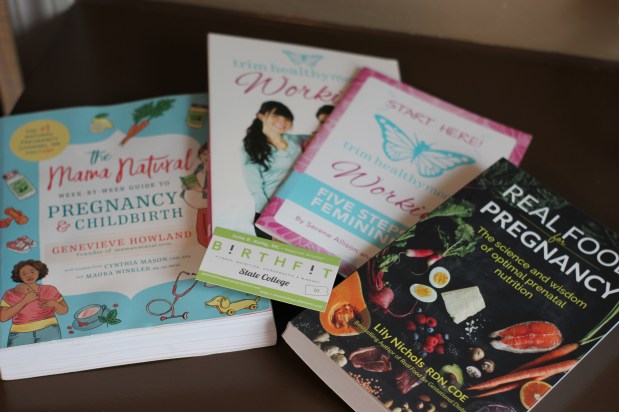
Let’s start with some book suggestions. We spend lots of time reading books about pregnancy and birth, right?!? So why not read about how to care for oneself postpartum? Here are some titles to get you started. I’ll note that I don’t endorse everything these authors share, but I do appreciate the way they help me to think through our thoughts and expectations surrounding postpartum adjustments and recovery.

Some Facts to Consider:

As you talk about your expectations for postpartum, it’s good to think about some facts, especially for the dads who wonder if it’s really necessary for mom to spend so much time resting! I love to show the new parents the placenta after the birth, which is generally the size of a small dinner plate. Picture a wound of the same size on the inside of mom’s uterus. Seriously! That’s the wound that needs to heal, and even though the uterus continues to contract and get smaller over those first days/weeks, there is a still a significant amount of healing that needs to happen inside. Add to this any amount of blood loss, any stitches/tears, the length of labor, swelling, and the amount of work it takes to push a baby out, and you can quickly see why it’s important for mom to take care of herself! All of a sudden the reasoning behind “not lifting anything heavier than your baby” makes complete sense, doesn’t it? Along the same note, almost anyone recovering from any type of surgery is usually given a two week minimum recovery time…new moms need AT LEAST that long!

As the postpartum days progress, mom’s body is going through a lot of changes, which include a drop in hormones from the expulsion of the placenta and baby, and a surge of more hormones as her body transitions into producing milk. Keep this in mind those first days…mood swings and emotional roller coasters are NORMAL. But it sure helps if you are expecting that as part of those initial days. And it’s good for husbands to know that this is a normal part of adjustment. Mom needs rest, understanding, and sometimes NO MORE VISITORS!

Another thing to remember is that you won’t be getting a lot of sleep those first few weeks. It’s good for baby to eat every 2-3 hours to establish good nursing habits and milk supply, but it does not contribute to a restful mom. Keeping life low key, and expectations to a minimum can really make a difference in allowing this time to be as stress-free as possible. Along the same lines, nourishing foods and lots of liquids are also hugely important in helping to establish a plentiful and healthful milk supply.

Lastly, try to view the postpartum period as a 6 week MINIMUM. I understand you may not be able to take that much “time off” of your normal home duties. But the longer you can rest and care for yourself in the initial weeks, I can promise you the better off your long-term postpartum experience will be. These initial 6 weeks your baby needs you as much as he needed you when he was inside, and this means an unpredictable schedule, lots of nursing, skin-to-skin time, and lots of cuddles. A slow re-entry into normal life will be beneficial to everyone, and lowering your personal expectations of this time can be a life saver!

Initial days postpartum:

  • Consider staying in bed for several days, getting up only to use the restroom, and perhaps joining the family for one meal a day. This can be beneficial for several reasons: visitors don’t stay as long if you’re in bed, you can sleep when baby does, and it reminds everyone that you are recovering!!
  • Prepare your room or a special corner ahead of time to make it a pleasant place for recovery. You’ll relax better if you find your space enjoyable and refreshing. Think about getting some special reading material or audio books together ahead of time to enjoy while you spend hours nursing your new baby. And don’t forget to have some comfortable clothes to wear that promote easy nursing access and yet allow you to rest well!
  • Limit visitors, and the amount of time that they stay. This can be dad’s job: remember that even if your wife loves people, new moms find extra company more draining than they initial expect. Short 10 or 15 min visits are sufficient, and this allows mom to not be separated from baby too long (since many visitors want to hold the new baby the entire time they are present).
  • Have nourishing snacks, foods and drinks gathered ahead of time: a new nursing mom is ALWAYS hungry and thirsty that first week!
  • Remember that your body is going through some major changes and may need some help: have some ibuprofen, nipple cream, icepacks, heat packs, hemorrhoid balm and magnesium available in case you need them.
  • Consider some ways to have meals taken care of: freeze some ahead of time, or ask a friend to organize a meal train or signup list where friends can bring food. It can be nice for the entire family to have meals provided for the first days/weeks as the whole family adjusts to the new baby.
  • If you have older children, it’s a good idea to think about how to implement the “no lifting” rule…sometimes it can be helpful to invest in a step stool that the older sibling can use to climb up beside mom so that she isn’t tempted to lift him or her up.

First Two Weeks:

  • An old midwife’s adage is “5 days in the bed, 5 days on the bed and 5 days around the bed”. While many moms balk at this amount of recovery time, it’s not a bad idea to consider! Mom will continue to bleed for around 2 weeks, and the longer she rests oftentimes the shorter the time she bleeds.
  • Continue to follow the “no lifting anything heavier than baby” rule until at least 2 weeks to maximize the uterine healing that needs to happen.
  • Keep stressful visitors to a minimum-this may mean telling well-intending friends and family that they need to wait to come see mom and baby, especially if that entails a lengthy visit of several days. Sometimes it’s hard for people to remember that mom is recovering and needs to spend time with baby, so this is NOT the time to be socializing and holding a newborn for hours on end.
  • Consider getting some household help these first weeks (longer if possible!). This would preferably be someone who can come and keep up housework, prepare food as needed, entertain older children if present, and take care of household duties so that mom can rest mentally as well as physically. As you consider this possibility, keep in mind that this works best if it is someone that mom feels completely comfortable with-sometimes this is a family member, but sometimes it is someone totally unrelated, and even hired for this express purpose. Talk honestly about what type of person would work best in your family situation. After my fourth child was born, we were blessed to have a girl who was willing to come spend 2 days a week with us during the first three weeks. This was sufficient time to catch up laundry, clean the house, and keep after work that wasn’t getting done, as my husband had a flexible work schedule the other days of the week. I found it much easier to rest when I knew the house wasn’t falling apart while I rested!
  • As you feel your energy increasing, start slow…remember that the sooner you jump in to “normal life”, the sooner everyone else will expect you to stay that way!
  • If people offer to help, take them up on it! An offer to babysit can mean an extra nap for mom, and many friends are more than willing to run get your groceries if they know you need something. Don’t turn any offers of help down!

Weeks 3-6:

  • This is when it can get hard to remember to rest. Even though you feel much better by now, remember that you need to go slow, and say no to anything extra in life, even if you FEEL energetic. Your baby still needs lots of time to nurse, and your body is still going through significant changes. One day you feel on top of the world, and the next you are in the dumps…all of this is part of your body learning to regulate it’s hormones again! There are supplements you can take to help with this-check with your midwife if you experience lots of these swings.
  • Start slow with exercise. It’s best to wait the full 6 weeks before engaging in anything specific to rehab, but I do encourage moms to get out in the fresh air and start taking slow walks if they are having minimal or no bleeding by week 2 or 3. Put baby in a stroller or in a carrier, and stroll. Don’t push yourself, just give yourself the chance to get some sunshine and fresh air.
  • Make sure you are taking your prenatal vitamins and consider adding some extra Vitamin D and Evening Primrose Oil to help with hormonal balance.
  • Try figuring out a way to get just a little bit of time to yourself each day…perhaps your husband can take care of the children while you slip out for a short walk, or perhaps you can meet up with a friend for coffee (and let her hold the baby!), or even get a chance for a short nap by yourself. These things can help with managing the mental load, and can be a big step in preventing postpartum depression.
  • Find a friend you can talk with and share with as you go through the many adjustments during these weeks. It’s always reassuring to be reminded that this stage of life doesn’t last forever, and you will sleep again someday!
  • Continue to get help with basic household duties as you can, and don’t turn down the offer of food!
  • Consider trying to get some intentional time as a couple: the unique stress of this period, combined with mom’s unpredictable hormones, interrupted sleep, and all the other factors can add some significant stress on your marriage. Getting away for an hour (with baby in tow) to concentrate on your relationship can really help you to navigate this time and grow stronger in your relationship.
  • Eat nourishing, healthy foods, and don’t worry about weight loss while your body is establishing milk supply!


In closing, I’d love to hear what you would add to this list? What was most helpful to you when you were anticipating the arrival of your little one? What helped you recover? Please share your tips and input!

A Peek into a Local Home Birth!

A Peek into a Local Home Birth!

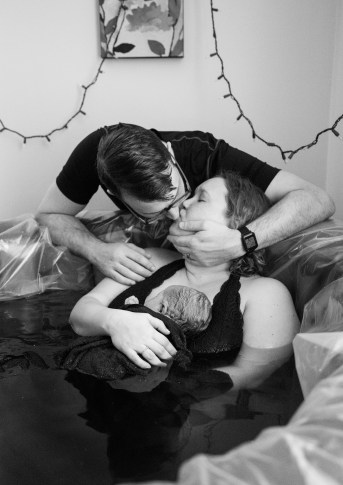
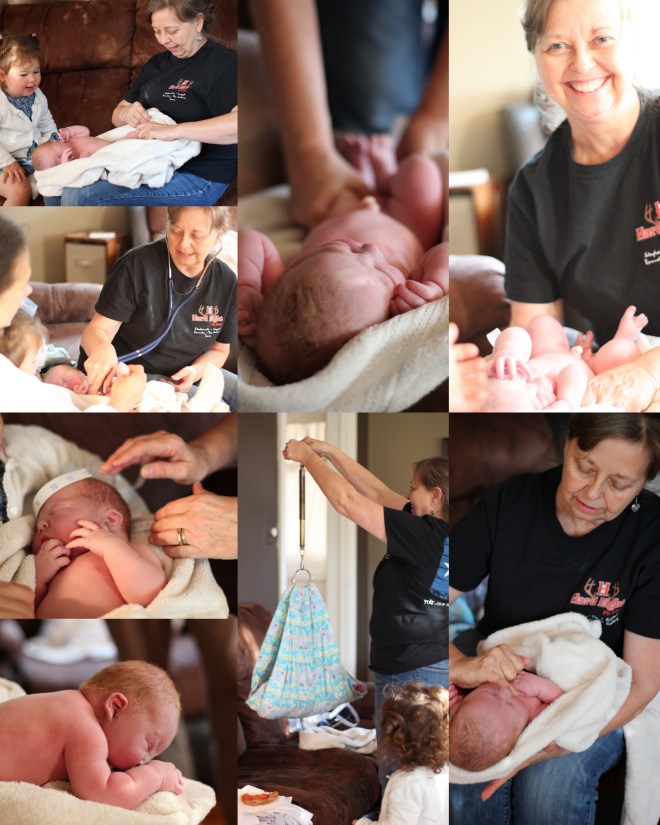
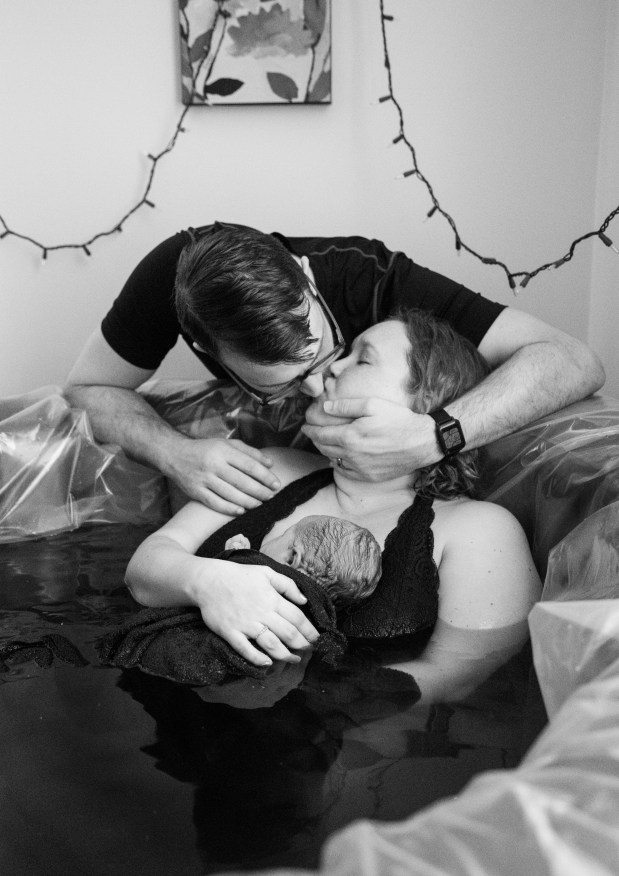
I’m tickled to share these photos with you this month! While birth photography has gained in popularity in many of the large cities across the US, it’s not a very common thing in our area. So it’s pretty rare for one of my client families to hire a photographer to be present at their birth. Earlier this year, I was privileged to help Maria’s family for a second time as they welcomed their newest addition, and they graciously allowed me to post some of the photos from the birth here. One fun & unusual aspect of this birth is that my assistant for this birth and the photographer are both involved with the local doula agency that Maria administrates. Check out the Doulas of Central PA  if you are looking for local birth & postpartum doula support! And if you’re looking for a birth photographer, check out Denae at Vigilante Photography

The twinkle lights added a festive atmosphere, and I love seeing how moms relax when they get into the water.


Kristina has been helping as my birth assistant in between her doula babies, and you can see her here jotting down notes on the labor & delivery chart.


First good look at each other!


Older siblings watch excitedly, all excited to see baby brother!


He’s here!


Traditional sling scale to weigh baby…look at big sister’s face of concentration!


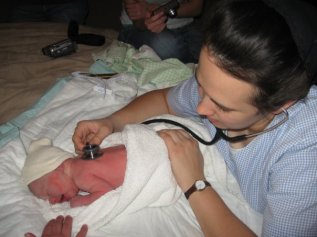
Newborn exam…always done within sight of mom and any interested family members!


Checking out feet reflexes and creases!

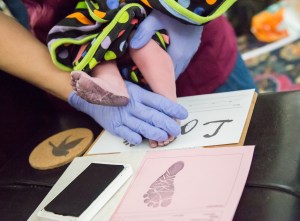
Foot prints for the records!


Born at Home!

Midwife gets a little chance to snuggle baby before handing him back to mama.


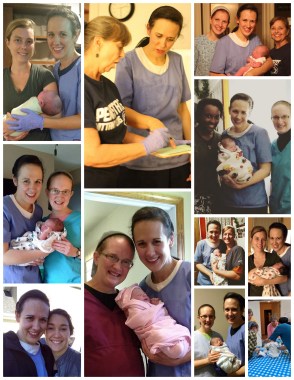
Great birth team-thanks, ladies!!


Miscarriage Questions: 10 Year Anniversary Interview Part 3

Miscarriage Questions: 10 Year Anniversary Interview Part 3

IMG_9270

Interview Pt 3: Miscarriage

This month I’m continuing to answer questions that were submitted by readers for Gentle Delivery’s 10th anniversary “ask the midwife” series (feel free to check out Part One and Part Two if you haven’t read them yet!) There were several questions asking about miscarriage and how that affects future care, and I’ve decided to make that the focus for this month. Sadly, miscarriage is a reality for many moms, and I’ve had more moms than usual experience miscarriage throughout this past year. Hopefully some of these suggestions and this information can be a blessing to those of you walking through this valley, or those of you wondering what happens next…

What is your approach when a client has a miscarriage? What do you say or do to help her through the process, and if she gets pregnant again later, does your prenatal care for her and the baby look different in any way?

This is one of the “flipsides” of midwifery practice…it’s not always dealing with excitement and new babies. Oftentimes miscarriage occurs “out of the blue”, and usually there is no obvious explanation, even though we usually wish we knew why, or what happened.

Typically, a client will have just been in touch to let me know that they are excited to set up a time to talk about homebirth (or resume care if they were a previous client), and then they let me know that they are having some spotting. Spotting in and of itself can indicate an impending miscarriage, or it can be indicative of an irritated cervix, or it can be sign of a “subchorionic hematoma” (which usually results in spotting/bleeding without harming the baby, and resolves on its own). Quite honestly, if a miscarriage is going to occur, there really isn’t much that you can do, as oftentimes if it is indeed going to progress into a miscarriage then the baby has already died by the point you are experiencing spotting. But the unknown is not easy, as you want to KNOW what is going on. Our options at this point include doing labwork to see where the progesterone and Hcg levels are by now and going in to an OBGYN or an ER for an ultrasound (usually this is a vaginal ultrasound in order to get the best look at the uterus in early pregnancy). If the mom is 5 or 6 weeks or more, they should be able to visualize the baby, and be able to tell if the heart is beating, and labwork can reveal whether the pregnancy hormones are continuing to increase as they should. If mom prefers to wait, then there are some herbs that can be taken, and some moms choose to also use progesterone cream to help support the body until we know for sure what is going on.

If the ultrasound or labwork shows that miscarriage is inevitable, then I try to offer support and encouragement while the mom walks through the next several days. In most cases, mom is able to pass the baby on her own, and we stay in touch via phone or email. Spotting usually progresses into bleeding, and cramps accompany the bleeding as the cervix dilates enough to pass everything, which typically happens within a week of the initial spotting. In the event that it takes a longer amount of time, then we can use herbs to help encourage things to move along, we closely monitor for infection, and occasionally we need to transfer to an OBGYN for further care.

Once a miscarriage has taken place, I really encourage moms to take it easy, and make sure that they give their body time to heal both physically and emotionally. Oftentimes a mom can be left feeling very tired and anemic, as the body usually loses a significant amount of blood, and the intensity of labor can leave her worn out. There is also the emotional side of processing the loss, and this combined with the hormonal swings that go along with pregnancy followed by delivery can create quite a roller coaster of emotions to work with, and mom needs to know that this is normal and okay…and that her body is grieving and adjusting, which takes time!

The good news is that a previous miscarriage in and of itself does not negatively affect care for a future pregnancy. As I mentioned before, we usually don’t know what the root cause was, but there are many moms who go on to carry a healthy pregnancy following a miscarriage. Sometimes it can help a mom to relax more if she has more frequent monitoring during the early weeks of pregnancy after a miscarriage, and I am glad to do progesterone and Hcg testing to make sure that these levels are increasing like they should during the initial weeks. Oftentimes these moms also want to get an ultrasound performed earlier, in order to know that everything is looking good and that baby is growing like he should. Other than these factors, there isn’t much different for prenatal care, unless a mom has had several miscarriages in a row.

If a mom has had several repeat miscarriages, I highly recommend consulting with a NaPro Fertility Specialist (these providers concentrate on helping to achieve and maintain correct hormonal balance in order to prepare a mom’s body for and help in maintaining pregnancy). Many moms have inadequate progesterone levels, and having a specialist helping to monitor levels and provide prescription strength progesterone when needed can be a tremendous blessing, and prevent the trauma of further losses.

In closing, here are some suggestions if you are walking through a miscarriage:

  • Drink red raspberry leaf tea frequently in order to help balance your hormones and increase your iron as you recover (although stop drinking if you become pregnant again, until you reach the second trimester).
  • Take Evening Primrose Oil to help regulate hormones and support the body.
  • Consider taking an herbal-based iron supplement for several weeks to help restore your iron levels.
  • Take time to rest, don’t push yourself too hard, drink a lot of fluid, and take time to reflect on the short life you were given to carry, and allow yourself time to recuperate and heal before trying to resume your normal responsibilities.
  • Check out these sites that have further tips: Healing After Miscarriage and Healing Naturally.

And if you are preparing for pregnancy following a miscarriage, here are some ways to support your body:

  • Take folate (not synthetic folic acid!) and methylated B vitamins regularly.
  • Start taking a high-quality plant-based (not synthetic!) prenatal vitamin to build your body’s supply of needed vitamins and minerals.
  • Look into the benefits of using a quality, natural based over-the-counter progesterone cream to help promote healthy progesterone levels.
  • Consider having some herbal tincture on hand (such as C & B formula from Mountain Meadow Herbs) that you could take at the first sign of any cramping or spotting-this tincture helps to calm the uterus.
  • Check out this blog post for more practical tips: Preventing Miscarriage

In closing, would you have any suggestions you would add? If you have experienced a miscarriage, what was the best information and advice you were given? Any suggestions for moms hoping to get pregnant soon after going through a loss? I’d love to hear your answers if you would be willing to share!


Midwifery and Mom Life: 10 Year Anniversary Interview ~ Part 2

Midwifery and Mom Life: 10 Year Anniversary Interview ~ Part 2

IMG_20180215_135835185-001


Interview: 10 Year Anniversary of Gentle Delivery ~ Part 2

Thanks again to each of you who contributed questions for this “virtual interview” as Gentle Delivery celebrates 10 years of practice! I’ve enjoyed this opportunity to connect with various readers, and I’ve loved hearing from so many of you. If you missed the first post, you can check it out here.  Here is installment two as I continue working my way through the questions entered:

How do you manage being a midwife and a mom?

Sometimes I’m not sure that I do! But seriously, it comes down to having a very supportive and involved husband. I could not do it without his help & support, and without him having a flexible job. He works from home, and generally speaking is able to set his own schedule. Without these key factors, I don’t think it would be possible. We both feel strongly that our children need to be our priority, especially while they are in their young, formative years, and Joel’s job situation allows us to almost always have one parent present. If I need to run off to a birth or client emergency, than Joel changes his schedule for the day and takes care of the children, which greatly simplifies my life! I honestly do not know how midwives serve year after year with a busy client load combined with stress of needing to figure out babysitting, especially at the last minute. A few months ago, I was called to cover for another midwife who had two moms in labor at once, and the second mom was moving fast. Without having the ability to just load up the car with my gear and run, I would have missed the birth! But since Joel was working from home (his office in our basement), I was able to be out the door in ten minutes, and he took over managing the children. His work-from-home arrangement also allows me to sleep in after a birth, and he will sweetly get children up, feed them breakfast, and care for things while I get some rest.

WP_20160314_003

Hot breakfast made by Joel and snuggles with the baby after being gone all night at a birth!

There are also some practical ways we have found that help to maintain balance, as well. As much as I am able to, I schedule appointments during my youngest children’s nap times, and I try to keep appointments confined to one day each week. This way I am limiting the amount of scheduled time I need to spend away from my children, especially since I never know how much unscheduled time I will be away at actual labors/births/emergencies. Another practicality is hiring cleaning help during especially busy months. My husband maintains that if I’m enjoying midwifery work and getting paid for it, then I might as well pay to get some of my other work done, instead of getting exhausted and stressed out! Oftentimes after a birth we will purchase supper (or take the family out) as a way to get some quality family time AND as a way to provide me with some extra time to do paperwork and miscellaneous business projects. I also get help with school, which is HUGE! My school-age children are part of a hybrid model co-op, where the parents help to teach classes, but they also have a classroom teacher who covers the “basics” and stays on top of the school details. If I was homeschooling full-time there would be NO WAY to do midwifery on top of it.

2015-06-032

Each of my children have attended births with me as babies…quite the adventures we’ve shared together!

Balancing midwifery and mom life includes another factor when I have a nursing infant myself. Whenever I interview with potential clients who would be due after I have a baby, I make it clear that if you hire me, you’re also getting my baby.  I always have an assistant or specific helper along who can care for my baby whenever I need to focus all energies on the laboring mom (and who needs a baby crying in the background when they are ready to push?!?), but otherwise I keep my tiny ones close so they can nurse and be with mama as much as possible. Some families are not okay with this arrangement, and that is their choice. I would much prefer they know what to expect ahead of time, and decide if they are comfortable with my boundaries, are there are always other options out there for them to consider!

One more key factor has been working with a midwife who is willing to trade call at times, which provides me with occasional time off to take trips and spend some focused time with my family. Without this arrangement, I would be tied to my phone and location almost 24/7 all year round! But this has allowed me to still spend some quality time making memories with my children, while knowing that clients are cared for, which is a tremendous blessing. While I still try my best to make it to my clients births, it’s also a relief to know that I can go “off call” occasionally for special events such as a school program.

Downloads9

Twice I’ve caught babies just before delivering my own…one time a week before, and another time two days before!

 Is it realistic to consider being trained as a midwife, and starting your own practice as a midwife, with small children? What advice would you give?

This is a good question that deserves considerable thought. I had the opportunity to do my midwifery training when I was single, which was ideal. In my opinion, training to be a midwife was decidedly more of a time and energy commitment than practicing as a midwife. Here’s the reason why: when you are training, you need LOTS of experience. You need to be able to be completely available to your preceptor midwife, and willing to take advantage of every opportunity you can be part of. The only way to get the experience you need to be a good, safe midwife is by spending an incredible amount of time immersing yourself in pregnancy, birth, postpartum and women’s health. There are a number of midwives who did this training while they were balancing a family, but it is HARD, and you need to be prepared that it will take a long time. As a single young woman, I had the flexibility of time & energy which enabled me to finish my studies and obtain my required clinical experience in about two years. But this included spending 18 months at a birth center where we literally immersed ourselves in the world of birth by living, speaking, and breathing everything birth related. Seriously! I don’t remember a day passing that didn’t include a significant discussion about something to do with an ongoing client situation, lab values, birth stories, complications, etc.  This type of immersion would have been impossible had I been trying to spend time with family, and it certainly sped up the training process.

Now that I am an independent midwife, I can make my own decisions about how many clients to take on in a month, what risks I am comfortable with, what my parameters of practice will be (for instance, when I do prenatal appointments, or what seasons I may not be available for first time moms), and when I want to take personal time off to give my family some breathing space. In most apprenticeships, a supervising midwife counts on a student midwife to be available whenever needed, and the student cannot set these types of parameters and still get the training she needs along with keeping a good preceptor/student relationship. So these factors all need to be considered, and I think there needs to be some serious conversation with your husband and family about whether your family is at a good place to make the sacrifices that training would require. I don’t think one will ever regret spending quality time with her children while they are young, but you might regret not spending that time later on!

I would encourage any young mom interested in midwifery to read as much as you can, as learning more about your body and about the birth process is going to be beneficial no matter what. There are excellent books out there that can lay a great foundation of knowledge about how the pregnancy and birth process works. Watch videos & documentaries, read birth stories, connect with other moms and learn about their birth experiences. Look for opportunities to get involved on a small scale. Perhaps you’d be able to provide doula services for a friend, which would give you and your family the opportunity to experience what it is like to live an “on call” lifestyle (ready for mom to leave at any time day or night!), seeing how it works to have mom leave and how to figure out babysitting fast. This would give you a chance to see what this aspect of being involved in birth can be like. I don’t think any birth experience is wasted time, especially if you’re hoping to be a midwife, so slowly looking for opportunities and taking advantage of them as doors open can help as you consider further commitment. Always remember that if God wants to be a midwife, He will make a way for you…but in His timing, and in a way that it will be a blessing to your family. Be patient, pursue the small opportunities as they arise, and see how He directs as time goes on…one older midwife told me once that “women will always be having babies, but you won’t always have young children, so make sure you don’t regret not enjoying them while you have them.” Excellent advice!

I’d also recommend that any aspiring midwife read A Midwife in Amish Country, as Kim does an excellent job of detailing her experience training to become a midwife as a homeschooling mom of young children, relating her experiences and lessons along the way.

How many births do you take on, and why that many?

This really ties in with the whole mom/midwife balance topic, as this is another way we try to walk this line. As a general rule, I cap a month with two due clients. Occasionally I will take on a third, if my family is at a stage where this is more possible, and if I have a slower month before or after. As a mom approaches her due date, her prenatal visits need to take place more frequently, resulting in more mamas needing to be seen each week. Then you factor in a home visit (an additional afternoon besides my usual appointment day), the birth (for anywhere from 3-30 hours), birth paperwork, another visit to their home for a postpartum check, and the frequent contact via phone/text/email that takes place over this time, doing this more than twice a month in additional to caring for other moms is about what I can do and still enjoy my work. Here again, if I didn’t have young children, and all the unexpected things that factor into life as you care for little people, it would be much easier to add more clients due in a month. But I want to enjoy both my own children and the opportunity to do births, and this number seems to be working well for this stage in life!IMG_0031

Thanks for taking the time to read this second installment in this interview series! If you’d like to contribute a question for a future post, feel free to add it in the comments below. As always, thanks for sharing, and feel free to check out Part One if you haven’t read it yet. See you next month!

Interview: 10 Year Anniversary of Gentle Delivery, Part 1

Interview: 10 Year Anniversary of Gentle Delivery, Part 1

dsc_3446

The year 2019 marks ten years since I started my practice as a midwife, after having spent several years studying, training and preparing to serve families in this way. I still remember the excitement of catching my first baby as a graduate midwife in January of 2009, after having moved home from TX (where I completed my academic training & clinical experiences here in Dec. 2008), and I cannot believe how quickly ten years have passed! Since that birth, I have been privileged to catch babies and care for moms & families in four different states, I’ve moved crossed country, married, and have had four babies of my own. All of this has certainly helped to mold, shape and broaden my experiences and skills, and I am so very grateful to each of the families I have been privileged to work with.

In honor of reaching 10 years, I thought it would be fun to see what questions some of you might have, and I was delighted by the questions that were thrown out on the Gentle Delivery Facebook Page. Here is Part One of a series in which I’ll start answering these questions…and I would love to hear yours, so if you haven’t left a question yet, feel free to do so below in the comments!

  • How and why did you get started in the field?

The “how” is the fault of my mother, who pursued homebirth after two negative hospital experiences, back when birthing at home was not such a popular idea. After her first birth at home with midwives, she went on to use them for care with the rest of my siblings (there are 7 of us!), and I grew up with the idea that having babies at home is a normal experience, and much preferred over the standard hospital setting! The midwives became close family friends, and were certainly heroes one would aspire to be like, in the eyes of a 7 to 14 year old girl growing up watching these women serve, care for and love on our family.

img_20190131_094356109

My 11# 8 oz cousin!

The “why” part is two-fold: one, I had a dream of serving God on the mission field somewhere, and thought that having a skill to offer would be an amazing way to connect with and become friends with women, while hoping to make a difference in an area where women were at high risk during pregnancy & birth. I was interested in pursuing midwifery with this dream/idea in mind, and several friends and relatives knew of this interest. My dear aunt then invited me to be present at the birth of her son, and I still treasure the memories of the time I spent with her and my uncle while we waited on my cousin to make his appearance. This not-so-little cousin of mine still tops the record as the largest baby I’ve ever witnessed being born, and it required a great amount of skill on the part of the attending midwife to not only deliver him, but also to help him breathe and recover from his rocky transition. While this was not your typical smooth, low-complication normal birth, I learned a tremendous lesson through this experience: a skilled midwife can make a difference between life & death, and that this is a serious responsibility to consider. After this birth, the thought that kept playing in my head was that I never wanted to be in a situation surrounding birth and wish I had learned what to do to help. It also helped to solidify that this was something I wanted to pursue, but it also gave me the reality check I needed as I began.

In light of the fact that my original dream was to work with women in another country without access to good maternity care, I do find it a bit humorous how God has taken me down a completely different path as I serve women in a very prosperous, beautiful little university town in Central Pennsylvania!

  • What changed in your approach / practice as a midwife from before you had children to after you experienced birth first-hand?

This is a good question! I find that I have a totally different perspective on the intensity of labor…there were times I seriously wondered if I could actually do it when I was in labor myself, and experiencing that has certainly helped me to understand what moms are going through. I also don’t look down on anyone for getting an epidural after experiencing labor myself! Before I had children, it was like “why would you do that?!? Don’t you know the side effects??” but once I was in labor I totally understood why that option would be considered! I’ve also found myself trying to be more sensitive to each mom’s individual preferences, spoken or unspoken, as I found out in my own labor that just because someone thinks they are helping, it’s not always the case. I think it’s helped to soften my opinions, too, as I’ve realized on a different level how many things are actually outside of our control. For instance, while not specifically about birth, I always thought that any mom could nurse if she tried hard enough. Well, I learned the hard way that trying hard isn’t always enough, and nursing has been a complete battle for me, which has taught me that each mom must figure out what actually is right for her and her baby, and that might look different than what you anticipated. So maybe the simplest answer to this question is that it’s helped me to grow in empathy!

  • What is one “bucket list” experience you haven’t had yet but hope to in your midwife career (e.g. delivering triplets, delivering a breech birth, an en cual birth, etc.)?
4972_1163886411070_2868611_n

Newborn exam on a baby that I caught during my first year of practice.

To be honest, I don’t mind the un-eventful and un-exciting ones these days!  All midwives know that at some point they will attend a breech birth (usually a surprise baby that turns between that last appointment and birth, or when the head is mistaken for a butt), and I experienced my first surprise breech two years ago (I was called to cover for another midwife, so it was a REAL surprise!), so that one is off the “bucket list” with plenty of  gray hairs to prove it. I’ve missed several babies that didn’t want to wait for me to arrive (even if I was driving fast…my brother used to say he thought it would be fun to drive for midwives, so he’d have an excuse to drive FAST!), and I had the special privilege of catching twins & assisting with several sets. Two things I would love to witness yet would be an en-caul birth (I still haven’t had a baby born before the membranes have ruptured…though I’ve had plenty that ruptured JUST before birth, providing me with a shower of fluid!), and I’d like to top my current highest repeat client number of three babies for the same mama. One downside to moving across country (and then moving across several counties a few years later!) is that you don’t get to continue care with the mamas you might have started with. Up until recently, two had been the record I had been able to deliver for the same family, and I finally caught my third baby for the same family in 2018. If we can stay put long enough (and I can convince my clients to keep having babies-ha!), maybe that record will be higher eventually…though I’m guessing that not of all my clients want to help accommodate my wishes on that one!

So, after reading these, what are your questions?? Feel free to let me know, and stay tuned for Part Two of this 10 Year Anniversary Interview. Thanks for sharing & adding your comments!

2018 End-of-year Note

2018 End-of-year Note

Recent & current clients received this letter in December. I’m posting it here to keep readers and followers current with Gentle Delivery as we head into a New Year:

Dear past & present clients of Gentle Delivery,

Downloads6.jpg

Many of my #bornathome babies from 2018!

As the year draws to a close, I want to express my appreciation to each of you for allowing me to work beside you as you have welcomed new members to your family, or are anticipating new arrivals. It is such a privilege to be included in these beautiful times of life, and I am grateful to each of you for your continued trust and friendship.

In 2018 we welcomed many more boys than girls, with the smallest arrival being 7#1oz, and the biggest being 9#12oz. An interesting note is that about 75% of our babies were born in water this year! Lynelle continued to assist me with births this year, until she welcomed her own little boy in September. Since she has been taking a break, I’ve been grateful for the help of several other ladies including Kristina (who has been working with a local doula agency for some time) and Hannah, a midwifery student from the Lewisburg area. My latest birth was assisted by Rose, a long-time friend and soon-to-be licensed CNM!

I also continue to appreciate the help of my back-up midwife, Rose Marie. Having her available to cover when there is a special occasion, or being able to travel knowing that clients have someone local to call in case of emergency is a gift I don’t take for granted!

Downloads7.jpg

Thankful to have such an array of great assistants and back-ups!

Another new feature that I was excited to add this year was connecting with an actual insurance biller who specializes in billing for midwifery care. This will hopefully result in better coverage and faster payment for those wishing to utilize insurance. More info is available at Napier Midwifery Billing.

I’ve enjoyed seeing many of you at the playdates we held every few months! This has been a great way to connect other local homebirth-minded mamas, and will hopefully help to build relationships in the community. I hope to facilitate more of these throughout 2019, so stay tuned for details.

My own family continues to keep me busy, with my oldest two being in 1st & 2nd grade. They attend a small co-op type school each morning, and I’ve enjoyed spending time helping out with some classes there, too. The two preschoolers are trying their best to catch up to their older siblings! We enjoyed several family trips this year, and are trying to treasure this time while our children are little. My husband, Joel, continues to work full time for All-Nations Bible Translation, and he’s been busy this fall finishing up his graduate work online. I am thankful for his support and help in making midwifery work feasible, as without his flexible work schedule and willingness to babysit, there would be no way I could keep up with midwifery responsibilities!

I’m looking forward to meeting a number of new babies already in the new year, and it looks like 2019 will be a busy one! May your new year be blessed, and thanks again for your interest in midwifery and home birth options in Centre County and beyond!

IMG_1664 - Copy - Copy

The Martin Family – Fall 2018

The Return on Your Midwifery Investment

The Return on Your Midwifery Investment

KeoniThe beginning of October found us celebrating “National Midwifery Week”, and the posts on social media about midwives and the personal care that they provide to so many moms and families got me thinking about the investment that midwifery care requires, on the part of both midwives and clients. Of course, one of the biggest investments that clients make is the cost involved. Sadly, many insurance companies are not willing to cover the costs of midwifery care, especially when it comes to delivering at home. This means that families have to weigh the costs, and determine if they can afford care out-of-pocket.


Oftentimes, it is easy to see the price tag (midwives are good at giving you all the costs up front, so you know what you are paying for at the beginning!), and think that a midwife must be making pretty good money.  But I wonder, have you ever stopped to think about all the “hidden costs” that are involved with midwifery? It’s easy to think that the only time the midwife is investing is the time you are with her…your appointments, your birth (and maybe you’re one that has quick births, so it doesn’t seem like THAT much time!), and a handful of home and postpartum visits. In communication with other midwives, I have realized that many clients don’t realize all the “behind the scenes” time and costs that a midwife incurs in order to offer safe, up-to-date, competent  & individualized care to each of the families she serves. So here’s an attempt to help you realize how much you are actually receiving in return when you choose to invest in midwifery care:

  • TIME: and not just the time you see her for your appointments and birth. On average, I spend about a minimum of 20-24 hours total with a client in-person (8-10 prenatal visits, 3-4 postpartum visits, and the birth…and of course, this amount of hours can be much more than this depending upon many factors!). However, there
    IMG_20180813_070116134

    After-birth paperwork

    are many hours spent on each client that you don’t see: writing notes about your history and ongoing care, filing paperwork for records, birth certificates, & tests, research when clients have questions or develop issues, answering questions via email, text & phone, submitting reports when required, attending state-required conferences, creating handouts with updated information, and the list goes on…

  • ONGOING TRAINING: if you stop and think about it, you don’t want to trust your life and the life of your baby to someone who practiced something 10 years ago, but has never reviewed her training OR has not continued learning, right?? But ongoing training takes time & money, especially when it oftentimes requires traveling for classes. Maintaining current CPR, Neonatal Resuscitation Certification and accumulating the needed CEU’s to keep your NARM certification current, CPM re-certification fees, and regular peer reviews are all ongoing commitments and costs that a midwife must stay on top of.
  • COLLABORATING CARE & NETWORKING: When a client develops a complication the requires more medical intervention, it can take a number of hours to locate medical professionals willing to see them, copy and fax records, contact the proper offices, and obtain referrals.
  • COMMUNITY RELATIONSHIPS: Another aspect of good midwifery care that is oftentimes overlooked is that of having good relationships with the local midwifery community. In order to have back-up arrangements (both for planned trips AND for unpredictable emergencies, which will occur at some point in a midwife’s career), a midwife MUST have a solid relationship with other midwives, and facilitating these relationships doesn’t just happen. Another aspect of community relationships is the side of the local medical community. To facilitate good transports when needed, a midwife needs to have a good relationship with local care providers.
    IMG_9783

    Grateful to have good relationships with my back-up and colleague, Rose Marie!

    This translates into taking the time for peer reviews, staff meetings, staying up to date on local situations and politics, taking the time take thank you gifts and notes personally when services are received, and so much more. Having a positive relationship with local hospitals and doctors translates into better, quality care for clients, so it is a very worthwhile investment of the midwife’s time and energy.

  • OFFICE FEES: These costs are more obvious, but real nonetheless. You want to be able to reach your midwife anytime, ASAP, right? So she must maintain cellphone service and a working phone. Then there is the fax service that most medical offices require for sending/receiving medical records. Internet for research, copier for providing records for other medical providers & clients, ability to print forms, handouts, etc. I might also add that most midwives are doing all of their own office work, too, so time to order supplies, keep track of bills, payments, answer inquiries and all the paperwork that is required to run a business has to happen at some point!
  • EQUIPMENT & SUPPLIES: quality equipment must be purchased and maintained in order to provide excellent, safe care. Dopplers, birth stools, testing machines, ability to sterilize instruments, repair of equipment when needed…all of these go into maintaining a midwife’s supplies.
    IMG_9706

    Birth supplies ready during a labor

    Medications also need to be purchased in order to always have them on hand (even if you don’t use them frequently, you want your midwife to have them-and many of these items are not cheap!). Keeping emergency supplies to deal with the unexpected is also a real cost, as these things need to be keep up-to-date, which mean some items need to be purchased regularly, whether they are consumed or not.

  • RELIABLE TRANSPORTATION: You want your midwife to be able to get to you anytime…which means she needs a reliable vehicle in working order. Just last month we replaced all the tires on our vehicles, as my husband felt they were getting too thin to count on them during the winter weather. We also pay more to run an AWD vehicle as we have lots of snow & ice in PA. A midwife always needs to keep her gas tank full, and regular maintenance is a must.
    IMG_20180902_095323117_HDR

    A flat tire meant new tires for the vehicle had to be purchased ASAP!

    Oftentimes a midwife will routinely drive a separate vehicle to events in order to be able to leave at a moment’s notice, instead of driving with friends or family. This is additional expense she must pay for!

  • HOME & FAMILY COSTS: Another aspect of midwifery life, especially if your midwife has a family, is that of having reliable and available babysitting at a moment’s notice. Meals that can be prepared quickly, or household help during times when mom has missed lots of sleep attending births are also very real costs. A family certainly must work together in order to let mama help other families, and I am blessed to have this type of support from my husband and family. But we do pay for it-bringing in food/eating out at times and getting regular cleaning help are two ways our family has made midwifery life sustainable.
  • ON CALL STRAIN: The last item I will mention on this post is the physical, emotional and mental strain of being on-call. While most midwives stay in this field because they genuinely love serving families as they bring their babies into the world, there is the very real downside of always being on-call. If a midwife has a small, independent practice, this generally means that she is the one who always answers the phone unless she has arranged back-up. No matter how much you love what you do, there is a toll that it takes on your body to always be available. You honestly never know when the phone will ring, and you will need to totally re-arrange your plans and be ready for whatever is at hand, day or night. Most midwives’ friends get used to all plans being made with the contingency of “unless I’m at a birth”, but the honest fact is that sometimes it’s not a birth. Sometimes a client has an emergency right when you’re in the middle of a much-anticipated event, or right as you closed your eyes after being up for 40 hours, or…you name it! I’m not sure how one can put a price tag on this aspect, but it’s well worth whatever your midwife charges!

My hope is that this post can encourage families that they are making a wise investment when they utilize midwifery services, and perhaps give you a greater appreciation for all your midwife is doing to ensure that you receive quality, informative, excellent care. I’d love to hear your thoughts as you’ve read through this. If you’re a midwife, what would you add to this list (I know I haven’t covered everything!)? If you are a client who has benefited from midwifery care, what would you add or comment? Did any of these factors surprise you? Thanks for sharing your comments!

New Resources to Help You Achieve a Healthy Pregnancy, Lovely Birth & Successful Postpartum Recovery!

New Resources to Help You Achieve a Healthy Pregnancy, Lovely Birth & Successful Postpartum Recovery!

IMG_0015

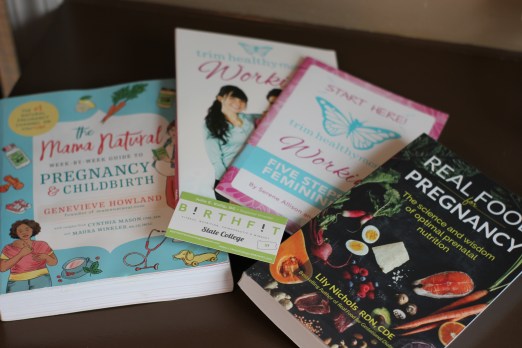
Some of the resources featured in this post

Hoping for a Healthy Pregnancy, Lovely Birth & Successful Postpartum Recovery? Here’s some resources to get started!

**Note, I am NOT affiliated with ANY of these resources, and I do not receive any financial gain or otherwise for promoting these products!**

As you might know, I love trying to stay up-to-date on current research and information about having a healthy pregnancy and postpartum recovery. I really want to be able to give clients good, solid information, and help them to achieve their desires for a low-risk pregnancy, beautiful birth, and end up with a supported, successful period of postpartum recovery. None of these things just happen, though. It takes concerted effort on the part of mom and her support team, and having some quality resources available to you can make all the difference in the world to achieving these goals!

These days, there are so many resources available, that it’s often hard to know where to start. And so many places have conflicting information, which only adds to the confusion about who to believe, and what is actual fact. Between blogs, articles, mommy boards, books and free advice, you might be wondering just where to concentrate your efforts in getting some basic information.

I have been so delighted to be made aware of some great resources that are available, and the purpose of this post is to introduce you to a few of these. This is by no means an exhaustive list, so if you have more resources to suggest, please add them in the comments so we can all learn from each other!

Nutrition:

This is a MUST READ for all pregnant women, and anyone even thinking about having a baby. Optimal nutrition starts now, and builds a foundation for a healthy mom and healthy baby. Real Food for Pregnancy: The Science & Wisdom of Optimal Prenatal Nutrition by Lily Nichols is the BEST book on nutrition that I’ve read in a long time. She will help you to understand how lacking our standard American diet is in real nutrients, and why so many moms end up with gestational diabetes, high blood pressure & pre-ecclampsia. For all the incredible information, it’s written in a very easy-to-understand style. She will help you understand why you need quality vitamins that utilize activated forms of B vitamins and folate, how much protein and good fats you need, what type of salt your body actually needs, how to reduce your carbohydrate intake, what type of exercise you need, and so much more. There is seriously so much more in this book than JUST nutrition, and your body will reap benefits from applying the information it contains! There is another book by the same author entitled Real Food for Gestational Diabetes that is especially geared towards helping moms to balance their blood sugars and manage gestational diabetes through quality diet changes.

Pregnancy Guide:

Have you seen the old “What to Expect” series for expectant moms? Well, you can think of The MamaNatural Week-by-Week Guide to Pregnancy & Childbirth by Genevieve Howland as a new, up-to-date version from a natural, holistic perspective. It’s great, and I think it should be a standard baby shower gift for every expectant mom (though they should probably have it well before the baby shower, honestly!). With input from a CNM and a doula, this guide goes through all the typical questions you face week-by-week, and gives advice on nutrition, tests to consider (and why you’d do them or why you might opt out), what you should be thinking about and preparing for, and how to go about choosing the right caregiver, birth location and options that are right for you. I love the fact that the book gives great info on home, birth center and hospital options, helping moms to achieve a great birth no matter where their location, but helping them to do so as healthily and naturally as possible.

Exercise:

So, while the other two books I mention touch on exercise, there are also some resources available that FOCUS on exercise. As I’m sure you know, exercise is important during pregnancy especially as you prepare for birth (you wouldn’t expect to run a marathon without training for it, right? We should think the same way about training for birth…), but did you also know that exercise is important for your body AFTER pregnancy? Our bodies go through some pretty amazing transitions as they grow a tiny human from smaller than a speck to 7-9lbs, which pushes our stomach up, our bladder down, and challenges our circulation. And then the baby has to come out…and our internal organs all must shift and readjust, and the muscles are stretched and then must get smaller…which means that there is A LOT of changes and stress for the body to recover from!

You’ve probably read or seen articles that talk about healing from diastasis after pregnancy, and/or about incontinence issues, pelvic pain, etc. that can occur postpartum, which can increase in possibility as you have more children, or have babies fairly close together without a lot of time for needed healing. But did you know there are actually things you can do about these issues? And that there are answers out there which can help you recover from pregnancy, and help you go into and through another pregnancy in even better physical condition than before?

One of the resources that can help is to take a prenatal or postpartum class through BirthFit. I love their motto: Giving birth might be the most athletic event of your life. Train for it. Isn’t that true?? In our area, classes are taught by Julie Kulig, a local chiropractor who uses her extensive knowledge to help moms develop a program that works for them. Her prenatal classes focus more on exercise, diet and birth options, and her postpartum classes focus specifically on helping the body to heal and recover from birth. She helps moms to strengthen their core in the correct way to heal any disastasis recti,  guides you in exercises to tone and strengthen the pelvic floor, and teaches you how to move (picking up fat, chunky babies off the floor, anyone??) correctly so as to prevent injury. I personally took her BirthFit Postpartum class, and have been very excited with the benefits I received…and it was really good for me to realize I was capable of doing more than what I realized I could do when it came to good workouts. You can check online to see if there is an instructor near you, and you can also access a lot of the BirthFit information on their website-they offer online classes, as well.

Now, maybe you don’t have access to a BirthFit class, or have lots of little people around, and wonder how you could ever fit something like this into your life. I get it! I’ve been on the lookout for years for a good, tailored-for-moms exercise program that could be done in 20 min. or less each day. Honestly, there are times in my life where I just don’t have more time than that, and if an exercise program is going to take longer, it just won’t get done. So I was really excited to get ahold of the Trim Healthy Mama “Workins” DVD series. What has been fun is to see so much of what I learned at BirthFit being re-affirmed by Serene & Pearl, only this program is one that I can do at home, and working along with the DVD helps to provide me with more motivation than going at it alone.  Each exercise routine can be completed in 19-20 min, using mostly items you have at home, and they are geared specifically towards moms in the childbearing stage. This means they are specifically targeting pelvic floor strength & core stability, and they include modifications to use during pregnancy, or if you’re just getting started postpartum or in exercising regularly in general. I love their down-to-earth style-it makes you feel like you’re working out with your girlfriends. You can find out more and watch an intro video about the program here.

IMG-20180820-WA0000

I hope you can find some of these resources helpful in your own journey to better health, especially in relation to pregnancy & postpartum! I’d love to hear what you would recommend, so please feel free to share!

Breastfeeding: My Personal Challenges and Tips from this Past Year

Breastfeeding: My Personal Challenges and Tips from this Past Year

View More: http://chariselisabethphotography.pass.us/joelnkelsey

With this being  “World Breastfeeding Week”, I thought it was a good time to share a bit more of my own breastfeeding journey that took place last summer. There are so many directions I could go with this story, but for this post, I’ll focus on the breastfeeding aspect, and then hopefully add another installment in the future. If you follow my blog and Facebook posts, you may know that baby #4 (born last May) took me on a completely unexpected loop in the feeding realm, and I am hoping that some of the things I learned through this experience can benefit others!

When it comes to breastfeeding, I’ll admit that I expected it to be an easy, natural process. I mean, I’m all in to natural birth, and believe strongly that a women’s body was designed to carry and bring forth life. So breastfeeding should easily be part of that, right?!? Besides, my own mother had no issues nursing seven babies, and my grandmother nursed all of her babies (back when it wasn’t the popular thing to do), so I took it for granted that it would be a piece of cake. My oldest daughter nursed fine-it wasn’t the wonderful experience I was expecting (my milk supply would drop when I did any extra activity, and she nursed frequently and gained slowly, but overall it went well). Then my son was born, and we struggled and struggled. One of his big issues was a tongue tie (and a lip tie, but I didn’t figure that out until later!) and poor latch, then the resulting milk supply issues. That is another story for another time (some of it is detailed here), but after his experience I decided that most nursing issues could be remedied if only ties would be taken care of. Not true, but it’s what I thought. And my third-born “proved it”, as I took care of her tongue and lip ties around 24 hours old, and she nursed like a champ…she was pudgy, and I had no issues with supply. So in my mind, I found the answer, and figured I was prepared for baby #4.

Baby Darius was 8# 10oz at birth, and latched on right away, so I figured this would be no problem. However, he was extremely sleepy and uninterested in eating, which meant I had to wake him and work with him to get him to eat. By day 4, I was in extreme pain from his latch, so back we went to reducing ties. This helped somewhat, but he still seemed to get worse and worse at latching. By two weeks, he was still well under birth weight, even with my nursing him frequently.  At this point I was getting desperate, and started pumping and giving him milk via dropper after he nursed (which, by the way, takes forever!). We received some amazing help from a local lactation consultant, who came to my house and stayed over 2 hours, giving great advice and support. Around 3 weeks, we ended up making the almost 3 hour one-way trip to a pediatric dentist to get baby’s ties evaluated and reduced via laser (which doesn’t leave as much scar tissue). With the help from the lactation consultant, I was able to start bringing my milk supply back up (it had really tanked at this point, and I was afraid I wouldn’t be able to make enough milk again), and I began pumping regularly to stimulate my supply while working with baby to help him latch. With the help of a nipple shield, he was able to continue nursing for awhile, but I’ll admit it was quite a struggle. There were many times last summer where I felt like I did nothing but work on feeding a baby, which honestly was fairly accurate!

Our nursing relationship came to an end much earlier than I would have chosen, but it would have ended a lot sooner if I hadn’t received the help and support I was given. Baby’s weight gain was slow, but finally began to go up steadily, and I felt like we reached another milestone with every ounce he gained.  I never was able to completely wean him off the nipple shield (occasionally he would nurse without it, but you never knew when), and I had to keep pumping to keep my supply where it needed to be. This resulted in spending literally hours just feeding baby…nurse, pump, bottle feed, rest a bit, repeat. Maybe it could have been sustainable if he had been my first, but we eventually reached the point where the rest of the family needed mommy, too! By around 4 months, I began to exclusively pump, as this eliminated some of the time needed to feed baby. We continued this until around seven months, at which point we made the decision to discontinue pumping for the sake of mommy’s sanity. Just for the record-I now have an amazing respect for moms who exclusively pump. I honestly had NO IDEA of the dedication and time it takes. So if that is what you are finding yourself doing currently, I wish I could give you a big hug and encourage you today! If you’re interested in reading about what I did once we passed six months, you can find more on that story here.

One of the reasons I want to share my experiences is to help encourage other moms going through similar situations. In the middle of it all, I felt very alone and discouraged. It felt like something was “wrong” with my body-why else could I try so hard to feed and nurse my baby and have it not work? I researched until I felt like I couldn’t retain any more information. I tried this solution and that solution. It was really, really hard for me to be okay and at rest with the fact that this part of mothering wasn’t meeting my expectations. At the time, it felt like it was all-consuming (which it was!). But moms, from my perspective now (a full year later), in the scope of life and eternity whether you nurse your baby, pump for your baby or formula feed your baby (or all three!), it’s really okay. Your baby is not even going to remember what happened, as long as he is still getting time and a nourishing connection with his mama! I wish, in retrospect, that I could have realized that truth better in the midst of it all. I wanted so badly to find the answer (and “fix” the problem) that I significantly added to my stress level, which also influenced my little guy, and the rest of the family. Now I better realize that the important thing is how we nurture and care for our babies-they need mom, they need cuddles and physical touch (that nursing naturally provides), but you can give these to baby no matter which way the baby gets his food. So, hang in there-this time will be over eventually (though it feels like forever!), and find rest in being the mom God created you to be….which may mean that not everything “works” perfectly (this is a fallen world after all). But it doesn’t make you a failure or a bad mother if you or your baby can’t make breastfeeding work the way it was intended!

So, enough backstory! Here’s what I was getting at – some specific pointers for you moms that might be struggling with breastfeeding and milk supply:

  • At the first sign that nursing is not going well, take baby to bed, nurse frequently and keep baby skin-to-skin as much as possible. Eliminate extra stimulation, and let baby eat often, smell mama, and feel safe and secure.
  • Find a good lactation consultant, and REACH OUT and ASK FOR HELP! I know this seems obvious, but I wish I would have done it sooner. I thought I knew all the answers (hello, I’ve helped a lot of mom with breastfeeding issues…but there’s LOTS of info I don’t know like someone who exclusively focuses on breastfeeding!). For you local moms, I would highly recommend Karen Foard, and area lactation consultant with years of experience.
  • Consider the possibility of tongue and lip ties. Here’s some good information to start with here. But also remember, that while this can be the answer for one baby (and I’ve seen it work amazingly well!), there are other babies where this is not the problem. If you live in central PA, I’d be happy to pass on pediatric dentist referrals. Otherwise, find a pediatric dentist that specializes in tongue ties-not every dentist is trained to recognize and take care of this.
  • Try a nipple shield if latch is an issue. Sometimes baby just needs some help learning to latch, and this can help. The downside is that it can be hard to wean baby off of one later, but if it allows the nursing relationship to continue, I think it’s worth it-though I personally have a love/hate relationship with these things!
  • Make sure your milk supply is being stimulated. It’s easy to assume that baby is getting enough because baby is nursing frequently. But sometimes baby is nursing more frequently because he’s not getting enough! Here are some things that I found helpful for increasing my supply:
    • Maxi-Milk Tincture from Mountain Meadow Herbs
    • Mother’s Milk Tea from Traditional Medicinals
    • Moringa (powder or capsules)
    • Eating-no joke! When I started pumping exclusively, I realized for the first time how my diet intimately affected my milk supply. If I tried to cut back, my supply dropped. Honestly, it was somewhat discouraging, as the baby fat would NOT disappear, I was hungry all the time, and if I didn’t eat enough, the baby wouldn’t have enough milk. We often hear the old wives’ tale that nursing makes the baby weight fall off…well, that sure doesn’t hold true for everyone! Eating high quality fats (coconut oil, nuts, avocado, etc.) really helped, along with lots of oatmeal, coconut & brewers’ yeast. Look for two of my favorite milk-increasing recipes in a future post!
    • Pumping. It took me awhile to realize that this was going to be the way to keep from losing my supply. And then, thanks to my lactation consultant Megan, I found out that there is a whole lot more to pumping than what I realized. Having a good, new pump is a MUST. I couldn’t hardly get anything by pumping, and it turns out my previously-used pump was worn out. The way God provided a new pump for me in the midst of this struggle is another story, but it made all the difference in the world. Making sure your shields fit is also very important (I never knew that they came in different sizes!). So, do your research, ask questions, and make sure you’re actually utilizing this resource correctly.
    • Finally, consider having your thyroid checked. This did not end up being part of my inability to nurse, but in all the research I was doing, this came up multiple times. I’m becoming more aware of how many moms are affected by thyroid disorders that can have a big influence on their pregnancy and ability to produce milk. It’s worth considering!

I hope some of these suggestions can help someone out. And I’d love to hear yours…what has helped you in overcoming some of your own nursing issues? Or what kind of encouragement and support was especially helpful? Or what do you wish you would have had? I would love to give us space to learn from and encourage each other, so thanks for sharing some of your own journey!

The Birth Story of Baby Darius

The Birth Story of Baby Darius

It’s hard to know where to start with Darius’ birth story, as there were several starts-and-stops along the way during the last week or so of my pregnancy. Joel will shake his head and say something along the lines of “shouldn’t a midwife know when she is in labor?”, but once again I had trouble figuring it out.

To give some background (especially if you’ve read my previous birth stories), we had used our dear friend Rose as our midwife with our girls, and she ended up being the first one on the scene after Matthias was born (she was home on a school break THAT weekend, and our midwife was on her way from Lancaster, but Matthias came in a hurry-read his birth story here). We love her, but due to a variety of reasons (especially the fact that Joel has no desire to ever catch one of his own babies again) we decided that this time we needed to use a midwife who lives closer to us. In the past two years I have been blessed to meet and work with Rose Marie Spicher, a midwife who lives half an hour away, and who worked for years in TX (where I did my midwifery training). She provided the “mothering” care I needed throughout my pregnancy, and it gave Joel a sense of relief to know she wasn’t too far away. With me being on maternity leave the month of May, and the fact that everyone else was expecting in May as well (I have NEVER received so many inquiries for one particular month!), I was just hoping that she wouldn’t be tied up whenever our baby decided to come!

So fast-forward through all the months of sickness, fatigue, finding out that we were expecting a baby brother (the children are still certain this was a direct result of their prayers, as I was convinced it had to be a girl given how sick I was!), and everything else until the beginning of May. By early May I was reaching that totally-done-being-pregnant stage where I wasn’t sleeping at night, having lots of cramps  & contractions, felt extremely emotional all the time, and we were wondering just when this little fellow would decide to make his appearance. Between 34-36 weeks I was experiencing enough cramps and contractions to know I needed to take it easy, and once we hit 36 weeks I had a couple of times where I thought perhaps we were getting started-I distinctly remember one night when I couldn’t sleep because of contractions, so Joel & I slipped outside to take a walk in the moonlight. It would have been so romantic if I hadn’t been so uncomfortable! But everything always fizzled away, and left me feeling tired and discouraged.

At this point we were preparing for a visit from my parents, who live in Kansas. My sister had her first baby the month before, and my mom wanted to come out to help her over the time my brother-in-law was graduating and they were preparing to move. So she flew into northern PA, spent a few days with my sister, and was then joined by my dad. The plan was that they would drive down to see us before they headed back to Kansas, and of course we hoped that baby would arrive before they left, though we knew it was entirely possible that he would wait until they were home again. However, with all the early labor signs I had been experiencing, I’ll admit that I was getting my hopes up! Mom & Dad planned to arrive on Mother’s Day, and the night before I was trying to encourage things along, and ended up with a night of contractions with no baby to show for it. Everything was regular enough that I actually called my midwife to give her a heads up, but then it all petered out.

IMG_6818

Mother’s Day 2017

I really had to work through the disappointment of knowing that perhaps my folks wouldn’t get to meet their grandson on this trip. We didn’t know when we would be seeing them next, and I hadn’t realized just how much I had my heart set on them getting to be here to see MY baby while he was new and tiny. It took some talking, praying, crying and processing with Joel to get to the point of being okay with the fact that perhaps this time with mom & dad was to be spent enjoying their company and not stressing over whether baby was here or not. So for the next few days, my parents helped to take my mind off of waiting for baby, and we enjoyed some lovely family time at the park, taking walks, picnics, a backyard barbeque, and some time for Joel & I to be together while our children were cared for.

The last night of their visit, they took our two oldest children back to stay the night with them in their cabin. In the interest of full disclosure, I had taken some castor oil in the afternoon, knowing full well that there was a good possibility nothing would come of it, and yet hoping that perhaps it would give my body the nudge it seemed to be waiting for. I was NOT going to get my hopes up, though, and I tried to just go to bed to get some sleep. I think it was around midnight or 1am when I woke up with a contraction, and yet I tried to sleep, as it sure wasn’t the first time that random contractions had woken me up at night! After an hour or so of not really sleeping, I figured I might as well get up to see if moving around made them go away or get stronger.

Joel sweetly got up with me, and fixed me sourdough toast with strawberry jam-his mom had given me jam and sourdough bread the week before, and it was becoming a regular midnight tradition to eat a piece when I couldn’t sleep! After another hour or so, Joel commented that these contractions seemed to be pretty regular and close together. I did NOT want to give another false alarm to anyone, and didn’t feel sure that this was anything more than what had happened on previous nights. Looking back, they were coming close together (every 2-4 minutes!), but they weren’t very intense, and they didn’t last long, so I wasn’t convinced they were doing anything. With my previous babies, my water had always broken either before labor began or at the start of active labor, so I kept waiting for that to be the clue that this was the “real thing”.

At 4:00am, Joel really felt like we should call Rose Marie, as he said he thought this seemed more serious, and he did NOT want to wait until it was too late! So I  called Rose Marie, and I told her I still wasn’t sure this was “it”, yet Joel would feel better if she came, but she didn’t need to rush. The contractions were starting to get a bit more of an “edge” to them that took my breath away, but I still felt like I could make myself talk through them, though I preferred not to. Another sign I should have paid attention to!

Within 15 min of calling Rose Marie, all of a sudden things kicked in with a vengeance. Up till now I had still been puttering around, but hadn’t gotten birth stuff out yet, as I had gotten it all out and then had to put it all away a few nights before. I wanted to make sure I was in REAL labor before getting everything set up again, and figured I could do it in between contractions as a distraction. Well, that’s not how things happened. Labor went from being “not sure this is it” to “we’re in seriously active labor” in a few minutes! Joel called Rose Marie back and told her to step on it, and then he promptly called Lynelle (my birth assistant who was planning to assist Rose Marie with our birth-she lives less than five minutes away) and told her to come. I think it was around 4:30am when Joel called Lynelle, and boy did she know how to get over to our place in a hurry! Joel said he has never in his life been so happy to see Lynelle walk into a room, and it was just in time.

By this point my contractions were one on top of another, and I felt like I didn’t have any time to collect myself, catch my breath or get a break in between. Joel kept encouraging me to breathe through them (he didn’t want me pushing!), and I was leaning over the birth ball squeezing his hands for all I was worth, just praying that God would make it stop so I could catch my breath. Lynelle quickly realized things were serious, and started pulling all the birth supplies together. All of a sudden I told them there was no way I could keep from pushing any longer. It had been taking everything I had to blow through contractions, and I was done. I distinctly remember saying “you all are just going to have to catch this baby ‘cause I can’t keep him in any longer!” Lynelle calmly replied that everything was okay, and with the next contraction my water broke. Now I can laugh about it-that was the clue I had been waiting for all along to tell me if I was actually in labor! With the next contraction Lynelle could see his head, and she did an awesome job of coaching me through as I tried to breathe him out. Right at the point his head was delivering, Rose Marie walked in the room! Lynelle started to move out of the way, but Rose Marie just smiled and said it looked like she was doing a great job, so she might as well continue. Rose Marie guided Lynelle through the rest of her “first catch”, and the official birth time was 4:56am.

Darius Rafael3

Those first moments after birth…

I can still remember the absolute relief that comes from being finished, and laying down with my baby on my chest. He cried just enough for us to know he was great, and then he snuggled on my chest, and we all exclaimed over his head full of strawberry blonde hair-that was a surprise! We had a really special next hour or so as we reflected over the crazy labor, the special-ness of the unplanned “first catch” for Lynelle, Rose Marie’s perfect timing, and Joel’s relief that he didn’t have to do this birth alone. We had invited another family friend to be present at the birth, and sadly she didn’t make it time, but her sweet & joyous spirit added to the atmosphere in the room as Joel fixed breakfast and baby Darius had his first meal. Thanks for coming, Mary!

And then it was SO amazing to call my parents and tell them that their grandson had arrived! Having them able to bring our oldest two over first thing that morning was so special. They were able to watch the newborn exam, meet our midwives, and see the children as they delighted in meeting their new sibling. It was the “icing on the cake” to have them around, and able to snuggle their newest grandbaby that morning, before they had to leave that afternoon to catch their flight home.

Darius Rafael6

Yoanna & Matthias and Grandma & Grandpa meeting baby Darius. Yoanna was delighted to help Lynelle give him his first bath!

We had struggled with finding the right name for our little guy, and settled on Darius Rafael just a few weeks before his birth. Darius means “Upholder of Good” and Rafael means “God is Healer”.  It is our prayer that our little son will grow into a man who does good, and is used to provide God’s healing to others. He checked out at 8# 10 oz, and measured 20 in long. Matthias was absolutely delighted to have a baby brother, and they continue to have a special relationship as brothers.

Here’s a few more snapshots of Darius’ “birth” day…enjoy this glimpse into our little family’s life, and feel free to check out the birth stories of our girls, Talitha & Yoanna.

Darius Rafael4

Big sister Talitha was pretty excited to wake up and find that baby brother had “come out!”

Darius Rafael5

Rose Marie checking baby out

Darius Rafael7

Our amazing birth team-thanks so much for everything!!