I’m not sure how time passes so quickly: here we find ourselves at the close of yet another year. It’s always good to take a bit of time to reflect over some of the highlights and challenges, and I’m once again grateful for those of you who have invited me to be part of your family’s story in such a special way.
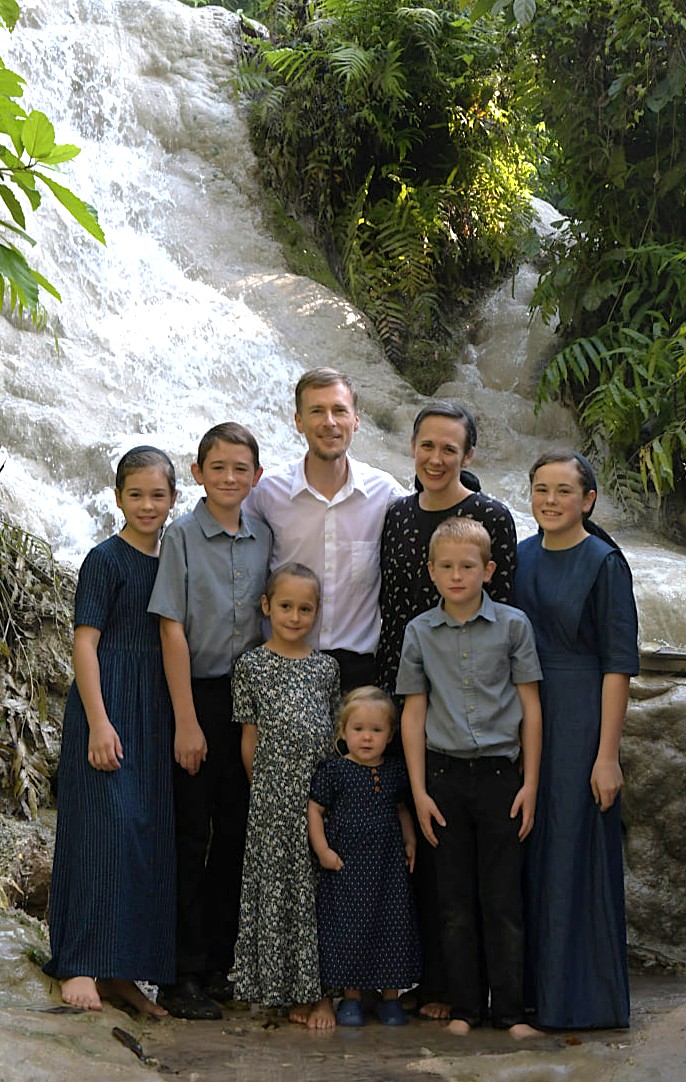
The past year was intentionally a slower one when it comes to the number of babies I was privileged to welcome. I continue to find that life has various seasons, and trying to navigate how to focus more on my own children versus putting more energy into midwifery is a real part of life right now. As my children grow, the need for mom’s focus and presence seems to be more intense (in a different way than during the years when they were all tiny!), which in turn has caused me to pull back from too busy of a midwifery schedule. We also took some time this year for some out-of-the ordinary events such as Joel and I celebrating our 15th wedding anniversary, spending several days at a missions conference in Pittsburgh, a week-long trip to Mexico (visiting missionaries who are part of the ministry Joel works for), several camping/family trips, and then our most recent opportunity: spending 5 weeks in Thailand while Joel attended an international Bible Translation conference and then spent several weeks teaching at a missions training school for young people. This trip was such a rich opportunity and we have returned home with many amazing memories!
When it comes to babies in 2025, there were many sweet little footprints added to the board in the office. While some years include mostly repeat clients, this year I worked with quite a few families for the first time. The smallest baby weighed in at 6#15oz and the largest at 8#15oz, and these newborns ranged from being the first baby in the family to the fifth.
Births weren’t the only aspect of my midwifery work this past year: I also spent time working on renewing my Certified Professional Midwife credential for the 5th time, making this 16 years since I became certified. I was also involved in editing & looking over an exam that another group of midwives is putting together for a certifying agency. This was a great opportunity to brush up on fine details and give input on what is important for newly graduated midwives to be familiar with. I also ended up doing quite a bit of long-distance communication with women who are serving on the mission field or are in areas without midwifery care, so all of these opportunities keep me continually studying and learning so that I can pass on help to others!
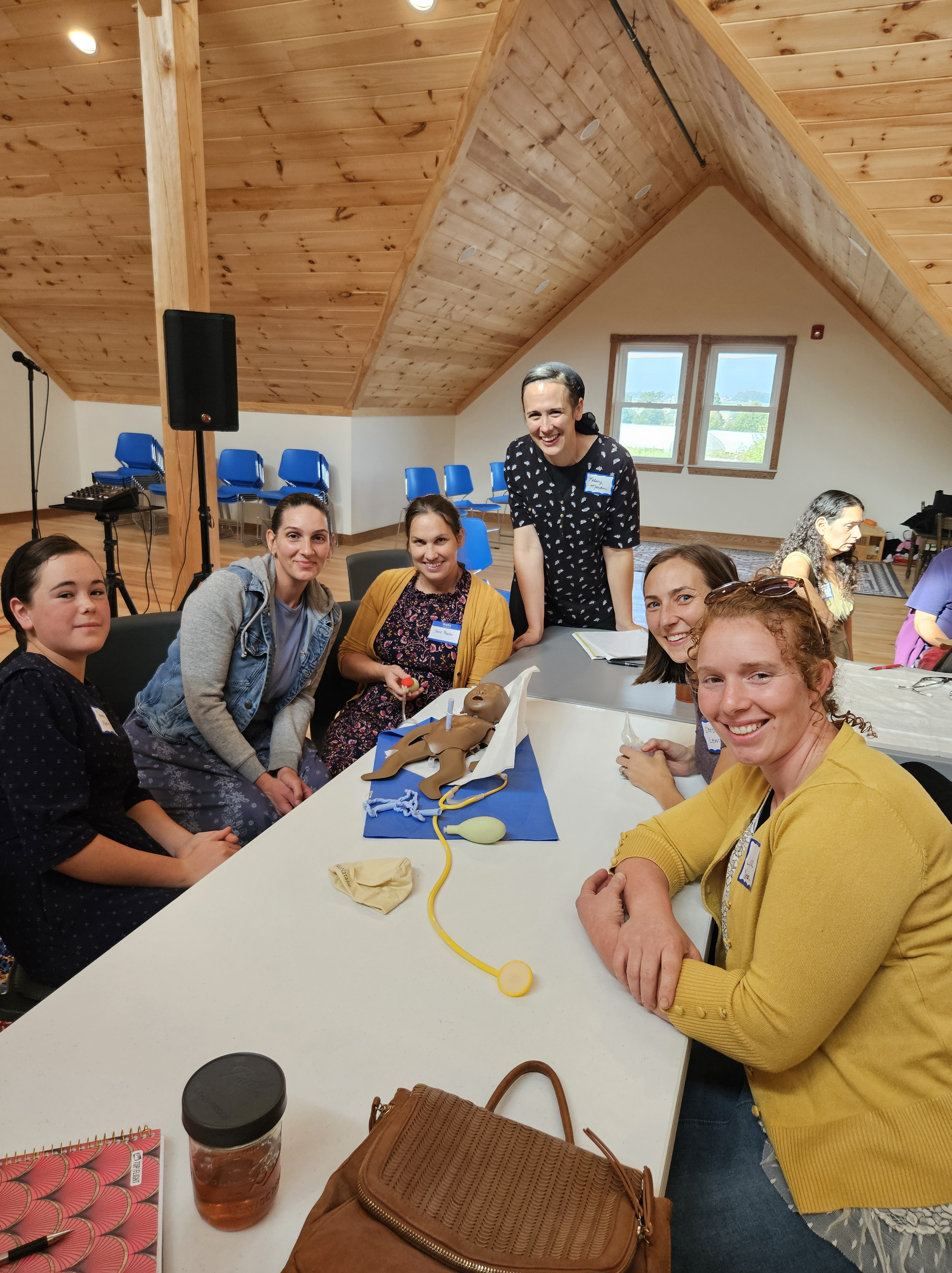
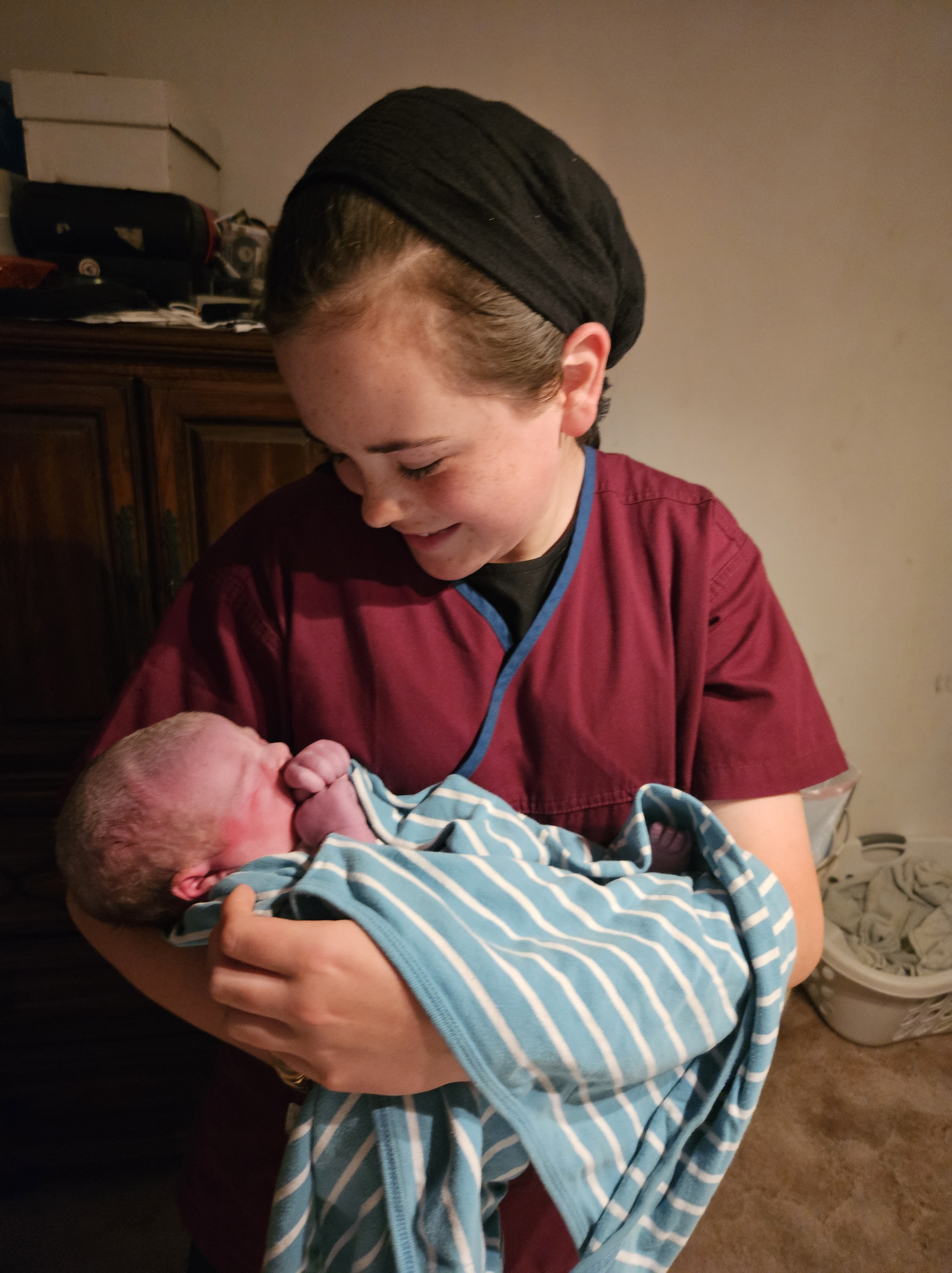
As I think about all it takes to provide midwifery care, I want to give a shout-out to the amazing assistants who drop everything at a moment’s notice to come assist me at births! These ladies do so much to make your birth experiences good ones, and I’m thankful to have Lanna, Emily, Janine and others willing to help out. One highlight of this year was when my own daughter Yoanna was invited to join me at a birth. She’s dreamed of training to be an assistant for years, and this was such a delightful experience for her. As we head into the next year, I plan to involve her more, as she has had the opportunity this fall to take a basic Neonatal resuscitation class as well as doing quite a bit of specific study in the field of midwifery. I’ve always hoped that one of my daughter’s might want to join me, and I’m excited about involving her more when it works out.
In closing, just a reminder that you can find quite a few helpful articles and links listed on the Gentle Delivery website, so be sure to check it out. Use the search bar function to look for topics you might need information about, and please feel free to pass these links on to friends! Our summer play date was a huge success, so stay tuned for more of those to happen in 2026 as I hope to get these on a more regular schedule again. If you want to be added to the email list for playgroup invites, send me a message and ask to be added to the list: gentlemidwife@gmail.com. Be sure to add the addresses of any friends who may want to join, as these are not limited to Gentle Delivery clients but are intended to build up the local homebirth community. May each of you have a blessed Christmas season!
Whether you are pregnant with your first or postpartum with your fifth, taking care of your pelvic floor/core muscles is such an important goal! Over the years there have been many new studies done and more insights shown on the importance of a strong pelvic floor and solid core for women during their childbearing years. Taking the time to focus on this part of your body can help to make pregnancy more comfortable, reduce lower back pain, help eliminate the “mummy tummy” that can be so frustrating after growing a baby, prepare your body for future pregnancies, and guard against future challenges such as prolapse & urinary incontinence. When you think about all that your body goes through to grow, nourish, carry and push out a baby, it’s no wonder that these muscles and areas might need some extra focus to help everything function at it’s optimal potential!
It can be confusing to figure out what is right and wrong when it comes to pregnancy and postpartum exercise, and you want to make sure you are helping your body and not causing further trauma or muscle separation. The purpose of this list of resources is to help you get started in finding a program or plan that will work for you and your current situation. I would love to encourage you to try to fit in at least 10 minutes of purposeful exercise in 5 days a week, both during pregnancy and then once you are 8-10 weeks postpartum (you can start slow beginning at 6 weeks, but give your body grace to build up strength!).
And a clarification: these resources are specifically for helping to rebuild core muscle and pelvic floor strength. We’ll focus on other general exercise in another post, but the purpose of this list is to help you wade through some options that specifically focus on rehabilitation of your muscles after pregnancy and birth (or helping to prevent strain to these muscles if you’re currently pregnant!).
If you prefer reading books and having pictures to reference, here are a few helpful titles:
Postpartum Exercise Essentials is a great guide to have ready and available before you give birth. With suggestions on movement and gentle stretches, it helps you to begin rehabilitation during the first 8 weeks following delivery, building a foundation for the rest of the postpartum season.
Training for Two by Gina Conley is a handbook for prenatal exercises, with good info on how the body works and how to make adaptations and care for your body while exercising during pregnancy so as not to cause any harm. While this book focuses more on general pregnancy fitness, the last section focuses specifically on how to rest and then gently build up your body during the postpartum period, with great illustrations and photos.
Mom’s Guide to Diastasis Recti is an easy-to-read short book with photos illustrating about 50 exercises to help rebuild postpartum.
The Core Program this is an older book (easy to find cheap online!) written and complied specifically for women of any age who need to strengthen their core. Best to wait until after 6-8 weeks postpartum to begin this one!
DVD or online options:
Spinning Babies Daily Essentials Here’s a blog post with excellent exercise suggestions and other recommendations for maximizing positioning and alignment during pregnancy.
Trim Healthy Mama Workins You can find DVD’s on eBay, but this exercise program is now available online with subscription. Good foundational 20 minute exercise sessions with modifications for pregnancy and postpartum with excellent focus on pelvic floor and diastasis health.
Down There for Women by Katy Bowman (DVD, can sometimes find used copies for cheap!) Produced specifically to help women experiencing pelvic floor issues such as prolapse, incontinence, postpartum rehab, etc.
Finally, here are some suggestions that come by recommendation from other midwives-but I haven’t personally used or watched these. So I would love to hear about your experience if you if you choose to try one or more of these options!
As the end of 2023 approaches, it’s once again time to remember the blessings and challenges of another year, and give you all a little update on the work of Gentle Delivery Midwifery. I’m always grateful to look back and remember the families I was privileged to work with and the babies I was able to meet. Thank you for allowing me to be part of your lives in such a special way!
I know many of you find it interesting to hear some of the stats from the year, so here’s a few for those of you who enjoy such things. I’m anticipating at least one more baby for 2023, but as of now the smallest baby was 6# 8oz, and the largest was 10#12oz. Quite a variation of normal, isn’t it?!? Around 60% of these babies were born in water, and ranged from arriving around a week and a half early to 13 days late. Most of the families I worked with this year were new to Gentle Delivery, though I served three families for the 3rd time and one family for the 4th, which is extra special! I was also happy to help a number of families with questions, consults, and involvement during pregnancy and birth both in person and virtually…assisting families in networking with other providers, supporting previous client families that have relocated and providing consult help to families with specific questions or concerns has been an additional focus of my midwifery work this year.
I had a variety of assistants at births depending on location, availability and circumstances. Between Christine, Lanna, Emily and Denae, I was thankful for great addition to the birth teams, and all the help these ladies give. For those delivering in early months of the New Year, I’m excited to introduce you to Natasha Yoder, a midwifery student/assistant who plans to come help me for a few weeks as Christine is expecting a baby of her own in January.
Besides staying busy helping with babies arriving in other families, we were grateful to welcome another baby of our own. Shekinah Glory joined our family on March 24, after a short but intense labor. She was also born in the water, and her sisters were present along with our midwife and birth team. Nursing was quite the journey once again, and we ended up making the drive to Albany, NY to have Dr. Kotlow revise her tongue & lip ties with laser. After a few intense weeks of monitoring weight gain, pumping/feeding, and all the stress this adds to the initial adjustments, we were SO thankful to have the procedure work effectively. She has since gained weight quickly, absolutely loves nursing, and refuses to take either a pacifier or bottle! Thankfully she has plenty of older siblings who are always happy to have a turn helping with baby sister, and now that she is 8 months old it feels like we are finally figuring out a rhythm to family life once again. I think we learn more with each new baby, and this time we purposefully booked a long break from births in order to have the much-needed time to recover, adjust and enjoy the newborn stage without extra pressure or demands.
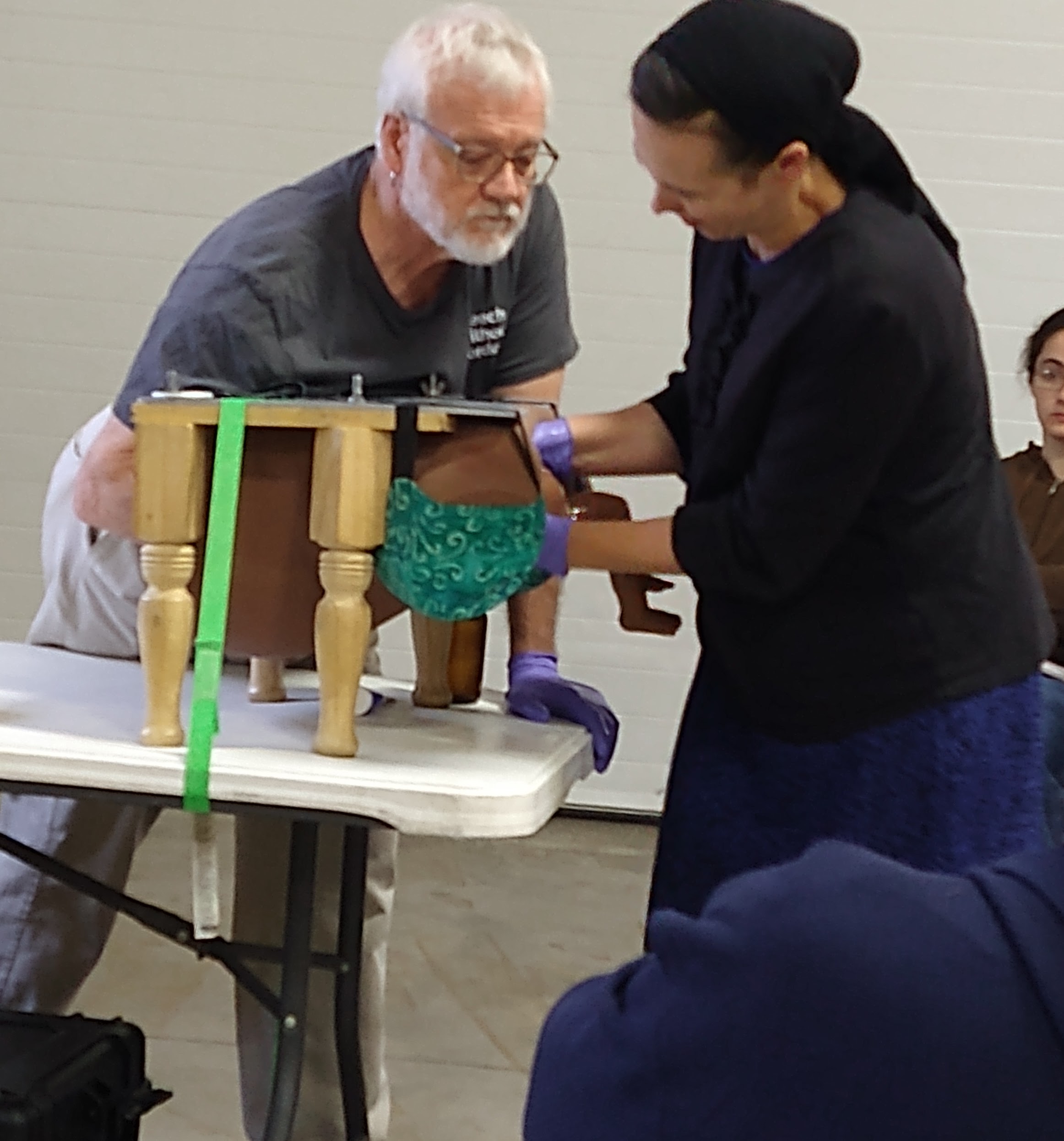
Continuing education classes were another focus for this year: attending the GOLD midwifery conference virtually was helpful, and I was especially happy to once again take the Breech Without Borders intensive class. This includes online lectures as well as over 8 hours of in-person instruction and training, and is so valuable in enabling families to have more options when it comes to safe breech birth. Though I’m still happy if babies want to come head first instead of making me put these skills into practice too often.
I can’t finish without once again expressing my thanks to my own husband and children who truly make my midwifery involvement a family ministry. Whether it’s changing plans at a moment’s notice, babysitting, holding schedules loosely, taking care of supper prep or all the other factors, it has been a blessing to have their support and encouragement. It can sometimes feel like a constant juggling act to balance midwifery with the family, church and ministry responsibilities that our family is involved in! My oldest daughter has been an amazing help this fall, coming along to babysit Shekinah during births so baby could nurse as needed while I could continue to focus on providing care.
As we head into 2024, it looks like there may be some changes on the horizon. While none of our plans have been finalized, it’s possible that our family may relocate to the Philipsburg area sometime this next summer. This has the potential of changing some of my availability, though at this point I would still consider State College to be within my care radius. Keep tabs on the website or Facebook page, as I’ll make sure to post updates if this happens! I’m hoping to see more of you this next year, too, as my goal is to resume seasonal playdates beginning this winter, so stay tuned for an announcement.
Blessings to each of you in the New Year! ~Kelsey Martin @ Gentle Delivery Midwifery
It’s hard to believe another year is almost completed! As we head towards the New Year, I wanted to take a few minutes to update you all on happenings here at Gentle Delivery, as well as thank each of you for your continued support. Whether it’s returning clients, new clients, supportive local services (lactation consultants, medical teams, ultrasound technicians, etc.), back-up midwives, students or assistants, I am blessed to be part of the local midwifery community, and I’ve been grateful to see the way this community works together!
So far in 2022 I’ve been privileged to assist in welcoming 15 babies, most of whom were little girls. Several of these were born to first-time mamas, and once again I was amazed, humbled and stretched throughout the experiences of assisting these families with the unique challenges and victories that accompany the unknown journey of becoming parents for the first time. Besides the first time babies, the rest ranged from being sibling #2 to sibling #8 for their families, and I had the special privilege of attending 3 moms for the 3rd time. Seeing children that I remember catching as tiny babies become big siblings is a fun perk that comes from providing ongoing care for client families! The smallest baby this year was 6# 4oz, and so far 8# 14oz was the biggest, with one more baby pending who could change these statistics!
Lanna and Christine, my usual assistants during 2022
The teamwork of our community stood out to me in greater ways throughout the pregnancies and births this past year. Over and over again I have been thankful for good working relationships both with other midwives and the medical community—which is such a key factor for providing sustainable, safe midwifery care options. There were times this year where additional medical help was needed in order to provide us with the ultimate goal of having a healthy mom & baby, which made me especially grateful for several MFM’s and CNM’s willing to provide consultations, input & care for clients as well as for a welcoming hospital environment when complications necessitated a transfer of care. Along the lines of providing good care options, it was exciting to add the services of a diagnostic ultrasound tech who has been able to regularly perform scans right in my office!
Birth teams have varied this year depending on availability of different assistants & midwives, but each one of these ladies have added to the birth experiences and help me in so many different ways, bringing their own special support and care to births. There are many behind-the-scenes details that these women take care of, besides their willingness to drop whatever they have going on to come help me in any way they can at any hour of the day or night, and I couldn’t continue to provide midwifery services without them! Due to a family emergency for one local midwife, I ended up covering at various times for her over the year, and catching several babies while she needed to be out-of-state. While I know it can be disappointing to not have your expected team for your birth, it was also a blessing for these families to still be able to continue with their homebirth plans despite the need for the original midwife to attend to important family needs. Along similar lines, I was very thankful for midwives willing to cover for me so that I could spend a few weekends away with my family, both for vacation and a family wedding. The strain of on-call life is challenging (especially with young children!), and being able to rest knowing that your clients are in competent hands while you take a break is a huge factor in maintaining a sustainable midwifery practice!
Denae, a midwife in Philipsburg who assisted and covered for meEmily, a local birth assistant who helped me out a number of times when I was in a pinchHannah, a midwife who covered for me and assisted with births & appointments…and Christine, my faithful assistant this past year
In closing, I also wish to express my thankfulness to my supportive family. The way they pray for me when I’m at births, pick up the slack when mama needs to rest or is away, and adjust their lives and schedule is such a vital part of midwifery work, and it really is a family effort. Also, I realize that none of this could happen without God’s continued blessing, provision and care. As we head into 2023, my children are very excited about the addition of a baby sister arriving in early spring, Lord-willing. I’ll be taking a few months off for maternity leave, and trying to put into practice the things I tell all of you about rest and recovery postpartum! Blessings to each of you in the New Year!
The photo we sent to our families, to let them know baby #6 was on the way!
Please note: I am NOT affiliated with any of the mentioned companies, and I do not receive any sort of reimbursement from sharing their products other than occasional free samples that are sent to my office (which is how I was introduced to several of them!). Some of these companies have offered discount codes for my readers, and I’m passing those on when available, at no benefit to myself!
As a mom who has struggled with severe morning sickness with most of my pregnancies, I know from experience how incredibly difficult and challenging those first months can be when you feel so miserable! In fact, the mere thought of going through those early weeks and months of sickness makes me desperate to find some type of relief to try. Because of this, I’ve spent quite a bit of time reading any new research, thoughts and suggestions that I can get my hands on regarding combating morning sickness over the past couple of years. My hope with this post is to help you understand what might be going on under the surface, and to provide you with a number of suggestions and resources so that you can hopefully find something that works for you! I know each mom (and each pregnancy!) can respond differently, and that there is NO cure-all that works for everyone. But sometimes you find out about something that can make a difference, so my hope is that you might discover something new that can bring some relief to you as you nourish and carry that tiny baby that is already requiring so much from mama!
For the foundation, it’s important to be caring for your body BEFORE pregnancy whenever possible. If you haven’t done so, I would highly recommend that you take the time to read Real Food For Pregnancy by Lily Nichols. Having a high quality diet in place that is low in simple carbs and refined sugar and high in quality protein has made a big difference for many moms, but this provides the most help for morning sickness if this has been a way of life long before pregnancy. Along these same lines, taking the time to do a liver cleanse and possibly a candida cleanse have made a big difference in pregnancy health for moms.
Talking about the liver brings me to the first important suggestion for morning sickness relief, and that is LIVER HEALTH. As you know, a mom’s body works hard to support the massive amount of growth that is happening for baby during the first weeks after conception, and one of the organs under a lot of stress is the liver. It is fascinating to study into this more, and realize how gentle support of the liver can help alleviate the severity of morning sickness (you can read more about this here). A great way to provide liver support is through taking Milk Thistle twice a day (and if you are planning a pregnancy, start taking this a couple of months before pregnancy for even better success!). Some good Milk Thistle options are: Jarrow Milk Thistle & Natural Hope Herbals Milk Thistle Tincture. If you want more support (and possibly more success), consider taking a liver support complex such as the pregnancy-safe tincture from Mountain Meadow Herbs Liver Glow II. This product from Earthly Wellness includes dandelion which is another herb that provides liver support, along with some additional herbs to aid in reducing nausea: Mama’s Tummy Relief (use code “gentlemidwife” for 10% off your first order from them!). Another form of liver support comes through the addition of lemons to your diet, which is most easily done by squeezing fresh lemon juice into your water that you sip on throughout the day (add some honey for a bit of a natural sugar boost!).
Another factor that can make morning sickness worse, and be especially problematic when a mama is vomiting often, is maintaining good hydration and electrolyte balance. Staying on top of this before it gets to the point of needing IV treatment is key, and one of the ways to help with this is having some high-quality electrolyte drinks available (that are not full of artificial flavors & dyes like Gatorade!). A few good choices that I’ve personally tasted an tested are: GoodOnYa Organic (this one tastes like delicious lemonade, yet it has only healthy ingredients: use the code “gentlemidwife” for 10% off + free shipping on your order!), Nectar (another organic, sugar-free option with multiple flavors), LMNT (available in several different flavors-you can purchase a sample mix on Amazon to get you started), and DripDrop. You can even make popsicles out of these electrolyte drinks in order to sip on them…just make it a priority to stay hydrated and prevent your electrolytes from orbiting out of order…we want to prevent the need for an IV or other intervention whenever possible!
A “newer” remedy that I am finding quite fascinating is that of additional magnesium supplementation for morning sickness relief. Here’s a couple of articles that go into more detail: Magnesium for Morning Sickness Relief, & Magnesium for Morning Sickness: My Story. If I have another baby, I’m definitely planning to try this idea! Besides swallowing pills or drinking magnesium-containing drinks (which many sick moms can’t handle), a few ways to supplement with magnesium that might be easier on your stomach are creams and sprays. Pink Stork carries this Magnesium Spray for Morning Sickness, and a local company that I highly recommend carries this cream: Shade Mt. Naturals Magnesium Cream . Another magnesium cream I have used personally is this one: 8 Sheep Organics Magnesium Cream
If you’ve read other posts on my blog or talked with me long, you probably have heard how strongly I feel about incorporating high quality probiotics into your life for pregnancy, nursing and newborn health…and now I’m finding proof that probiotics can also help with morning sickness! These two articles show how: Study: Probiotics Reduce Nausea & Vomiting and Study Finds Probiotics Significantly Improve Nausea and Vomiting in Pregnancy. Based on this research, as well as knowing how beneficial probiotics are to your overall health, it seems like it can’t hurt anything to increase or start your probiotic intake during the early weeks/months of pregnancy. If you’re looking for some good quality options, here are a few that have been recommended by other midwives and clients that I trust: Klaire Labs Therbiotic Complete, This Is Needed: Prenatal Probiotic, and Entegro:Flourish. Another way to increase your probiotic consumption is through fermented foods, such as raw sauerkraut and drinks like Kefir. Some moms have found the “sparkling” aspect of water kefir to be especially appealing while feeling sick, and many stores carry options such as Kevita in the cold drink section. You can also learn How to Make Water Kefir at Home or purchase something like this: Coco-Biotic Coconut Water Kefir
Some moms can obtain relief by supplementing with some specific vitamins & nutrients. Adding a few drops of this Liquid PhosFood by Standard Process to your drinking water (it tastes similar to lemon) has been beneficial to a few clients. Other times your body really needs some additional B vitamins, both for the B6 that specifically helps with nausea, and for the energy that is so lacking during the first trimester! My favorite B complex for those early weeks is the Max BnD Fermented B complex that helped me SO much with my last pregnancy. Whatever type of B vitamin you find, make sure that is contains bio-available forms, such as folate and methylated Bs, in order to obtain the most benefit. Jarrow and Seeking Health are two good brands to purchase.
Now we’ll move on to some random suggestions and options that have helped other moms (thanks to so many who shared in response to my question on what has helped!):
Ginger: many people find ginger helps to settle the stomach, and you can try it in the form of Ginger Ale, Ginger supplements, or even through chews & candies such as these: Gin-Gins Ginger People Candy & Chews
Pink Stork offers a product called Total Morning Sickness Relief that contains needed vitamins & minerals for nausea.
Frequent snacking (don’t let your stomach get empty!), and eating something light before you get out of bed in the morning. Make sure you’re getting protein in whenever possible, even adding it to smoothies if needed!
Some moms find that they need to quit taking daily prenatal vitamins during this time, as they can be too hard on the already sensitive stomach. Don’t stress if you need to do this-you & baby will both do better overall if you can keep food down, and this is more important than the vitamins during these weeks! Remember, baby needed the vitamins the most during the first few weeks, so by the time morning sickness hits with a vengeance this key foundation is over, so the goal is keeping mom hydrated and healthy! An alternative is to find a different vitamin and see if it might be gentler on your stomach. There are gummies, powders and pills, so another form may work during these initial weeks, especially if it does not contain iron which can be particularly hard on a queasy stomach.
IF you really are struggling to keep anything down, and need to move past the natural supplement stage, don’t hesitate to reach out to your care provider for additional support. Some moms MUST have prescription meds to survive these months, and that is totally warranted depending on the situation. Other moms need to have an occasional IV in order to restore hydration, and we are thankful for these interventions when they are desperately needed. Some over-the-counter yet more medically-based solutions are:
I would love to hear from you readers: what did you find helpful?? Any suggestions that aren’t on this list? Did anything listed here benefit you? What did you find helped from one pregnancy to another? Thanks so much for sharing so that we can all learn and hopefully be better able to handle these early weeks and months of pregnancy!
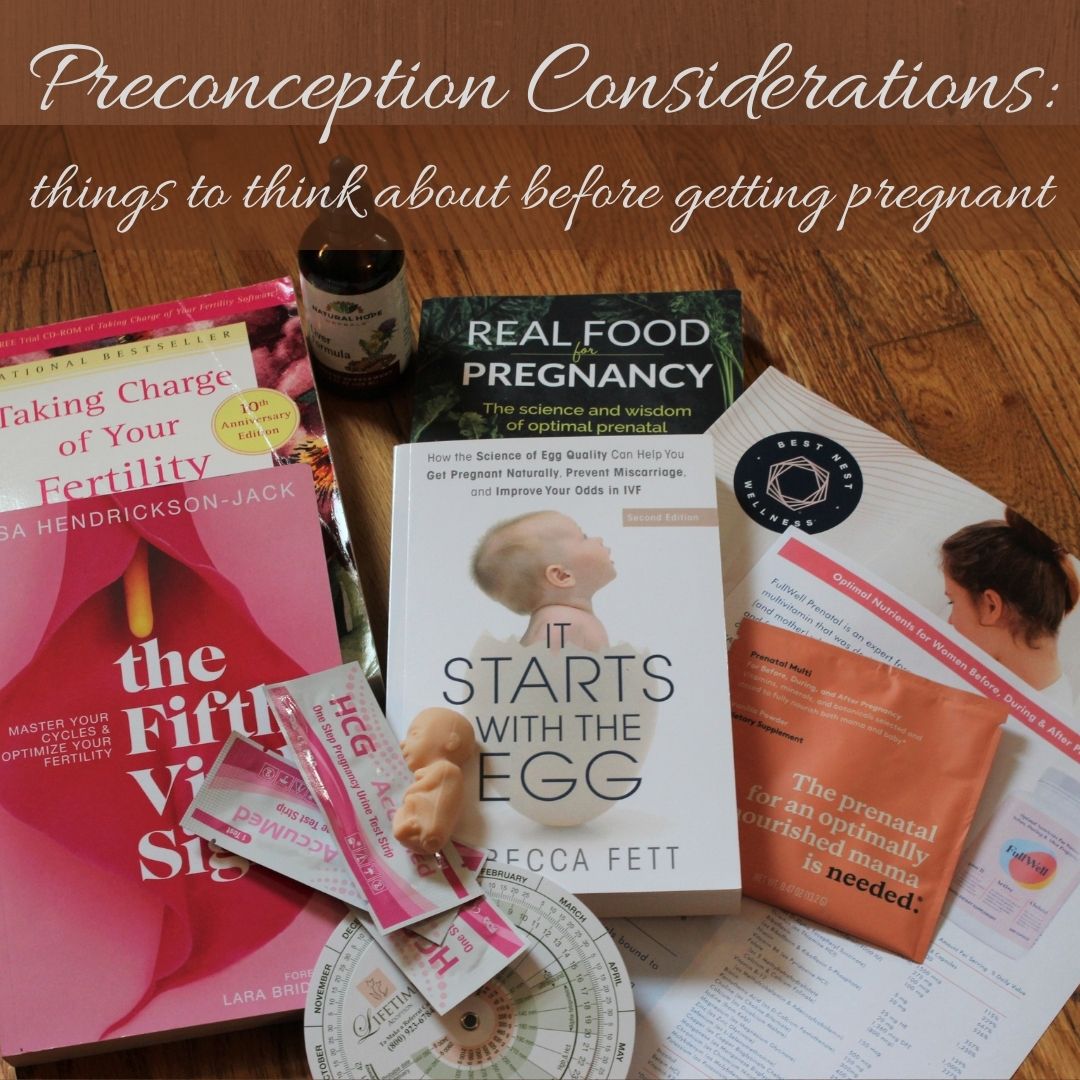
I’ve had several ladies reach out this year asking for information to consider as they hope to conceive sometime in the next few months. As I started replying to some of these inquiries, I realized that it might be helpful for others in similar positions to have some of this information at their fingertips. My hope is that some of these suggestions can help you to achieve the healthiest pregnancy possible as you actively prepare your body for the amazing stress and strength that growing a baby places on your entire system-this is certainly worth seriously considering and prepping for, and I can guarantee you won’t regret any time and effort you invest before pregnancy!
Let’s start at the beginning:
Educate Yourself on Your Hormones and Cycle:
Understanding how your body works, and how to read your fertility signs (temperature, cervical mucous, etc.) can make a huge difference in both your ability to conceive and in determining an accurate due date. There are some disorders or challenges that can be identified early on if you have been keeping track of your fertility signs, and this can save you time, money and heartache if you know what to look for and when to get medical intervention. Simple things such as knowing you ovulate “late” compared to traditional due date calculators can save you the challenge of being considered “overdue” when you actually didn’t have an accurate due date to start with!
For better understanding, I highly recommend the book Taking Charge of Your Fertility by Toni Weschler. This guide helps you to really get to know how the women’s body works, how to chart your cycle, and how to understand all the information you are pulling together. The TCOYF app is also a great way to track your cycle, and it’s free! Another helpful book on the subject is The Fifth Vital Sign by Lisa Hendrickson-Jack (as a disclaimer, I JUST ordered this book and have it sitting in my “to read” pile-it looks great, but I haven’t read through it yet!).
For those particularly wanting to use fertility tracking as a guide to Natural Family Planning, the Art of Natural Family Planning Student Guide is a good way to delve into some of the details, which can also be an aid in achieving pregnancy.
Birth Control/Hormonal Contraception:
If you’ve been on hormonal contraceptives, it’s important to remember that it can take up to three months for normal cycles and fertility to return. The sooner you can get off any hormonal BC the better for your overall health! Aviva Romm has a great article on fertility issues after hormonal contraceptives and getting off the pill here: Post Pill Reset and I highly recommend the new documentary The Business of Birth Control for better understanding of how hormonal contraceptives can negatively affect your overall fertility and health while providing an introduction to other non-hormonal options.
Deal with Any Current Health Concerns Now
Do you have weight you need to gain or loose? Start understanding healthful eating, and work on that now BEFORE you add pregnancy to the mix! I’ll add more on diet below, but healthful eating habits should begin now, and will provide a great foundation for the demands of pregnancy on your body.
Are you currently on any medication that could have a negative effect on a developing baby? Many health challenges (such as elevated BP) can be managed by diet, lifestyle and supplement changes, and these are best achieved before pregnancy. If you’re hoping to have a low-risk delivery at home, this is even more important to consider, as any compilation of medications can increase your risk and rule out homebirth. Also, remember that you should be under the care of a physician or medical provider before attempting to wean off any medications, especially for BP, anxiety, depression, etc. You need to do this safely, and sometimes these changes can take time!
Thyroid health: many women these days experience thyroid imbalances, and it can make a huge difference on your ability to carry a healthy pregnancy if you are on top of these imbalances before pregnancy, and have a provider who can work with any sort of needed thyroid medication especially during the early days of pregnancy. Learn more about thyroid and it’s effect on pregnancy by reading Aviva Romm: Thyroid in Pregnancy
Learn more about healthy food choices:
There are so many things to learn about how food and our daily choices affect the way in which our body works! From supporting the organs, optimizing brain function, regulating blood sugar…the food we eat has so much to do with how our entire body operates. Add to this the growth and development of an additional entire human body and placental organ, and you’ll start to get a glimpse of how important solid nutrition is to your body and that of your future baby! The best book on the subject that I have read is Lily Nichol’s Real Food For Pregnancy, and I would encourage any woman who is pregnant or considering pregnancy to read it and really digest her wisdom and suggestions. Lily covers more than just diet, and her overall suggestions when it comes to regulating blood sugar, exercise guideline, and prenatal vitamin recommendations are all amazing and educational.
Did you know that Gestational Diabetes is a real issue for many women during pregnancy? This can also be changed through diet, and Lily has a specific post on this topic here: Gestational Diabetes & Preconception Nutrition
Support your Liver!
This might seem like an odd topic, but did you know that your liver performs under extra stress during pregnancy? There are many pregnancy complications that can arise when the liver is not functioning well, and there are some studies that suggest that a healthy, supported liver can reduce the amount of morning sickness a mom might experience. With all of these factors on the table, I highly recommend either purchasing a liver cleanse and using it a few months before getting pregnant, or at least taking a high-quality Milk Thistle supplement for a month or two before conception, and continuing to take it during the first trimester. Here is an article that addresses this further: Milk Thistle for Morning Sickness
Prenatal Vitamins:
Start your research on prenatal vitamins now, and begin taking them daily. Remember, the critical time for baby’s development are in the early weeks, so your body needs to start getting a good foundation of nutrients so that your body is ready to nourish the developing brain, organ and other nutrient needs of a growing tiny baby. Many moms end up sick enough that they cannot continue taking prenatal vitamins during part of the first trimester, so having this foundation laid ahead of time is key!
Not all supplements are the same: do your research and be willing to pay for quality. Making sure your prenatal vitamin has bio-available nutrients (for instance, folate instead of synthetic folic acid!) can make a huge difference in how much actual benefit you receive from them. Some helpful links: Folate vs. Folic Acid, Prenatal Vitamins by Aviva Romm and some information with recommendation links: Basic Supplements for a Healthy Pregnancy
Further Reading:
If you’re wanting to read more about how to optimize your fertility and prepare well, many providers recommend the book It Starts with The Egg. Rebecca Fett goes into detail about diet, supplements and other foundational principles of helping your body to achieve healthy conception!
In closing, I hope you’ve found these suggestions informative! I’d love to hear what else you would add to this list, and what has helped you as you’ve prepared for pregnancy. Maybe you’re not pregnant yet, but you’ve found a great resource…or maybe you followed some preconception guidelines and are currently in the middle of pregnancy…either way, I’d love to hear what you found most helpful!
If you’ve recently given birth, you’ve probably wondered how to really help your body heal as you navigate the postpartum period and adapt to your post-baby body. Over the years I have developed a greater passion to see women really cared for and their bodies aided in this healing process, realizing that taking the postpartum period seriously can have long-term benefits for mom’s health & well-being in a variety of areas.
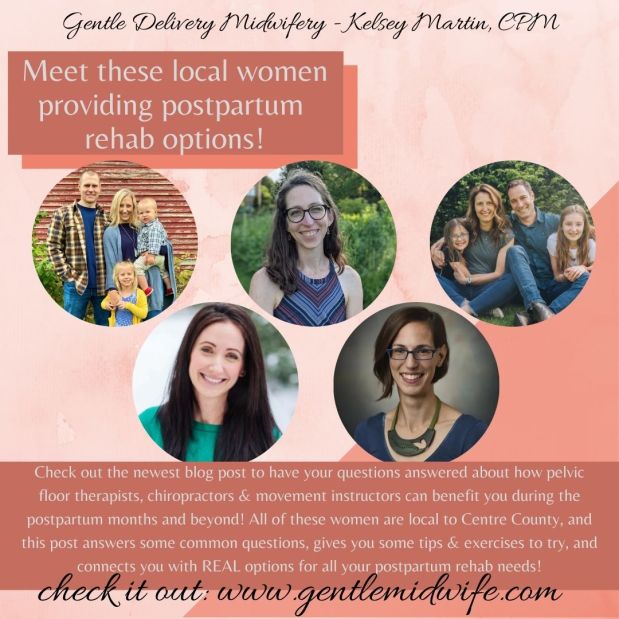
One component to long-term women’s health that often lacks attention is that of the physical rehabilitation needed after birth. If you think about all the changes that the body goes through during pregnancy (stretching, repositioning of internal organs, increased blood volume, muscle strain, weight gain, uterine growth, etc.) and then during birth (the physical exertion, movement, muscle & tissue stretching, internal organ placement changes, and more!), we should consider it normal that our body might need some help in recovering and rehabilitating in order to be able to function optimally. But there are SO MANY voices out there telling you what you should & shouldn’t do, and it can feel overwhelming to know where to start and who to listen to! In light of this (and because I wanted some better information to give to my postpartum clients!), I reached out to several local experts who provide support and services to postpartum women in our area. I’m grateful that they were willing to share a little bit about themselves, the services they have to offer (if you’re local, they are great options to consider as you prepare for postpartum recovery!!), and give us a few tips when it comes to understanding the recovery process and how to integrate physical exercises that will actually help our bodies heal without causing further trauma or injury.
By introducing you to these women who are aiding local moms specifically in their pelvic floor and post-birth rehabilitation health, I am hopeful it can give you an idea of some of the options you have right here in Centre County. Any of these providers will be happy to aid you in recovery from the marathon of growing a baby and giving birth! I also know that many moms are hesitant to reach out for this type of support and therapy, sometimes due to having many unanswered questions about what physical therapy or other services might entail. After learning more about these professionals and the specific focus and background each one has in their respective areas of expertise, you will hopefully have some of your questions answered, and perhaps have a more informed idea of what care might be best for your situation, preference, and recovery.
Hi! I’m Dr. Julie Kulig, a chiropractor in Bellefonte at Kulig Chiropractic & Rehabilitation. I have a strong interest in treating pregnant and postpartum women (and their littles). I have 2 children currently of my own and find joy in observing and assessing these littles movement patterns and developmental milestones.
My educational background is Doctor of Chiropractic, Webster Certified (for all you pregnant mommas), Birthfit professional, DNS (dynamic neuromuscular stabilization), and MDT (the mckenzie method of mechanical diagnosis and therapy.) Previously I held BIRTHFIT postpartum classes 2x/ wk for 4 weeks to help women improve core and pelvic floor function postpartum. I still treat pregnant and postpartum women daily and am happy to offer this service alone if you are interested (no adjustment needed).
Dr. Julie gently caring for my own newborn!
The BIRTHFIT exercises are based on DNS: dynamic neuromuscular stabilization. These are a series of exercises based on the study of babies and their motor milestones that occur 0-18 months. We use these movements to help treat moms both pre – and post – baby! The exercises are based off of diaphragmatic breathing and the relationship the diaphragm has with the pelvic floor (much more intricate and we can talk about that more!!)
We treat: pain, pelvic floor pain, urinary stress incontinence, diastasis rectus abdominus and more. Trunk stability is the basis of all of our movements and essential in our recovery postpartum. Wondering if we could help you?? ASK: drjuliekulig@gmail.com. I’m always happy to chat more! www.kuligdc.com
Hello! I’m Becca Beck. Originally from GA, I live in State College with my husband and 3 sons. I am a Functional Movement Teacher who specializes in the Core and Pelvic Floor and a Certified Restore Your Core® Teacher. Restore Your Core® is a movement program, founded by Lauren Ohayon, that takes a whole-body approach to the Core and Pelvic Floor. It uses exercises that are a mixture of corrective exercises, yoga, pilates, and functional movement to help women reboot their core and pelvic floor. I educate my clients on the contributing factors to core and pelvic floor dysfunction, help them to uncover their movement blind spots and repattern their core and pelvic floor to be functional, reflexive, responsive, and supportive to their bodies.
Here are some things I want my clients to consider and try in their Postpartum Recovery
Rest. Even if you are feeling good, you still went through a dramatic physiological experience and you still have a dinner plate sized wound on your uterus. I hear all the time from women who regret getting back into things too soon after birth but I have never heard a woman regret giving her body time and space to rest and heal. You have to think of it as an investment. This time you take to rest now, sets you up for a better recovery and getting back to the things you love sooner.
Reconnect With Your Core. Your first 6 weeks do not have to be without movement but we want to be smart about how we approach it. You wouldn’t sprain an ankle, rest 6 weeks and then jump into the same movements you were doing before without doing some rehab. Your abdominal system just spent 9+ months rearranging itself and being stretched to new limits. Those early postpartum days are a great time to start reconnecting with your core, waking up your brain to this area of your body, and preparing your body to return to the daily movements of life and the activities you love.
Where to start: Dandelion Breath. Sitting, standing, or laying down. Place one hand on your lower abdominals. Imagine you are holding a dandelion right in front of your mouth. Inhale, and then on a long exhale blow all the seeds off your dandelion and keep blowing smooth and steady until you have no air left. Did you feel a natural drawing in of your abdominals away from your hand? It’s okay if you didn’t. Try a set of 5 about 1-2 times a day. You may not feel it right away, but the more times you ask the stronger that brain connection will become and you will get there eventually! When you feel more comfortable with this exhale and feel that natural corseting in use this Dandelion Breathing whenever you are going to lift or exert. Remember, “Blow before you go.”
Show Your Back Some Love. Early post-partum can be a beast on the low back with all the sitting, feeding, bending over for changes and lifting out of the crib.
A few tips to try:
When sitting, try to sit on your sits bones (the bony parts you feel where your legs and butt meet) instead of letting your pelvis tuck under (don’t feel militant about this advice, slouching isn’t evil we just want you to change it up some!). You may find it easier to sit up if you place a pillow under your sits bones.
When you bend over, think about sticking your bottom out vs tucking your tail like a sad puppy dog. Also consider putting a step stool by your baby’s crib so you don’t have to round as much in the upper back to get baby in and out of the crib. This will allow you to use a squat for lifting and lowering baby putting less strain on the low back.
Working with me or a Pelvic Floor PT can be a great way to learn exercises for early postpartum and how you can progress them as you move through the 4th trimester and beyond. It is never too late to get started. www.beccabeck.com or email: beccabeckmovement@gmail.com
Hello! My name is Kyla Dunlavey and I am delighted to be included in this group of women! I have been an orthopedic/sports med physical therapist for almost 25 years and I launched my private practice Core Physio LLC in February 2021 with a special interest in helping active women stay active. I am originally from NW Pennsylvania and spent 14 years of my career at Walter Reed National Military Medical Center in Washington DC before moving back to Pennsylvania in 2018. I started my own practice in order to practice the way I wanted to… Instead of the typical PT clinic ‘mill’, I wanted to see fewer clients for longer sessions, offering the true one-on-one, in-depth, unique, holistic attention to my active clients deserve. I don’t do any internal pelvic floor work, but rather I approach the entire system through exercise, pressure management, breath work, and mindfulness. I refer as necessary to pelvic floor PT. I look at the entire person and empower them with knowledge about their bodies, movement, and the breath, for greater carryover into activities like running, or even just picking up and carrying a child!
I have an endless curiosity and fascination about the human body and I constantly strive to keep up on the latest research and treatment techniques, as what we know about the human body is continually evolving! Case in point, over the past few years, research has started honing in on the pelvic floor and its connection to low back, SI joint, and hip health…and vice versa! Not only this, but also identifying it’s buddy the diaphragm and proper breathing technique, as part of a missing link in establishing true core stability, along with its teammates: the pelvic floor, the abdominals, spinal extensors, and intra-abdominal pressure. The way women stand, move, and breath typically changes during pregnancy, as the baby grows and hormone levels alter. Ligaments become more lax, abdominals are on stretch, the back extensors may become taut, it’s difficult to get a breath down into the abdominal cavity, and postural alignment changes impacting optimal muscle recruitment like the glutes. This often carries over into postpartum life, impacting return to activity or just simply keeping up with the demands of motherhood. Women may experience things like diastasis recti, leaking (with coughing, sneezing, laughing, or jumping), hip pain, SI joint pain, pelvic floor pain, or low back pain. A bonus, in establishing proper breathing technique, is tapping into our parasympathetic nervous system which gets us out of the tense fight, flight or freeze state most of us stay in all day! Try the 10 minute-Time Out: Go to a quiet area. Have hubby watch the kids. If you don’t have 10 minutes, do 2 minutes! Lie down on the floor with your legs up on the wall and a pillow under your head, (or on your bed with legs up on the headboard if it is flat). Without getting into specifics of proper breathing, just breathe through the nose slowly for 4-5 seconds, letting go of any tension in the body. Exhale. How long did you exhale for? It should be at least 4-5 seconds, if not double your inhalation! How do you feel afterwards? Hopefully relaxed and energized!
If you think you might be interested in tackling your issues, call for free 15min consultation: 814.314.8880 www.TheCorePhysio.com
I have 20 years of experience working as a physical therapist. Born and raised in Belgium, I graduated from the Catholic University of Leuven as a Physical Therapist in 2001. Afterwards, I pursued a 2 year program at the University of Ghent to become an Orthopedic Manual Therapist. I have worked as a physical therapist across the world: in Belgium, the Netherlands, Turkey, New York City and State College, PA.
Becoming a mom in 2010, I became more acutely aware of the need for pelvic rehab in the US compared to Europe. I decided to expand my practice and become a Pelvic Health Specialist. I have done extensive continuing education through Herman and Wallace, the APTA Women’s Health Section, Pelvic Guru, and others. I take pride in staying up to date in the emerging field of pelvic rehab, women’s health physical therapy and pre- and postpartum care with extensive continuing education, literature, and books.
I feel extremely passionate about providing the best possible care to all people experiencing challenges with their pelvic health. Being able to help people achieve their goals and highest potential is my biggest reward.
Why Pelvic Shanti?
Pelvic Shanti was founded to provide resources to women during their pregnancy and in the postpartum period (and beyond). A lot of the symptoms that we experience during this time in our lives are quite common but not normal.
We recommend a consultation with a pelvic floor physical therapist if you experience:
● Urinary or fecal incontinence
● Urinary or fecal urgency
● Heaviness, pressure, bulge or dragging in the pelvic area
We are here to answer all your questions and guide you as you return to your physical activities. To best support the new moms we work with, we offer office or in-home visits and remote consultations. www.pelvicshanti.com
I’m a licensed Doctor of Physical Therapy and a researcher at Penn State University. My clinical practice focuses on treating women with pelvic floor problems like incontinence, pelvic pain and prolapse (heaviness in the pelvic organs), and my research aims to better understand pelvic floor muscle function, how it works with the rest of the trunk, and develop innovative new treatments for pelvic floor problems.
Pelvic floor physical therapy aims to restore optimal function in the muscles that support bowel and bladder use, sexual function, and keep the pelvic organs lifted. These muscles get stretched and can even tear during pregnancy or delivery and can contribute to problems of leaking (bowel or bladder), scar tissue or painful areas of the muscles, and poor support of pelvic organs causing dropping or prolapse. Treatment with a physical therapist may involve local pelvic floor interventions to improve the scarring, strength, mobility and tone in the muscles. It may also involve exercises and movements focused on the whole integrated body so people can return to the movement that matters most to them, whether that is playing on the floor with babies or training for a triathlon. In my practice, I treat the pelvis and pelvic floor as a piece of the puzzle and will also address the whole body and the whole individual.
I will be resuming my private practice in the spring/summer of 2022 and will provide updated information on my website: www.centered-physio.com
NOTE: Dr. Rudavsky will also be recruiting participants for her research in pelvic floor functioning in the spring of 2022. For more information on participating in pelvic floor research, please email Dr. Rudavsky at axr5794@psu.edu
In closing, I want to thank each one of these women for taking the time to share their thoughts, suggestions & tips as well as providing us with an introduction to themselves and the services they provide. If you’re local and end up using one of these providers, please let them know you read about them here! And if you’re not local, it’s my hope that you at least learned more about the services pelvic floor therapists, chiropractors and other professionals can provide to postpartum moms, and perhaps you can use this information to aid you in your search for good postpartum care. I know you won’t regret taking care of your body now and avoiding potential long-term challenges!
If you’ve used a pelvic floor therapist, chiropractor or other professional during the 4th trimester and beyond, would you tell us about your experience?
As I think back over this past year, it is with a sense of gratefulness for the ways that God has led, protected and provided. 2021 has included more complications, challenges and adrenaline rushes than I’ve ever had in one year’s time since I began practicing as a midwife 12 years ago! The additional gray hairs accumulated over the months prove this, and I am ending the year feeling like I’ve gained a level of experience that I honestly wouldn’t have minded doing without. However, I’ve also been reminded that this is WHY a midwife takes training seriously, and I’m more committed than ever to doing my best to assist families in safe births, even when at times this requires a different birth location than what we had hoped for, or more invasive assistance than what I prefer to provide.
Besides being the most intense year complication-wise and the most stressful year when it comes to constant changes & research due to the ever-changing Covid landscape, it was also my busiest year baby-wise! I had the honor of helping to welcome 6 girls and 11 boys by the time the last December babies arrived. Weight ranges were fairly average: smallest was 6#8oz and the biggest was 9#9oz. While a couple of little ones came a week or two early, most typically went on the later side with two babies waiting until 13 days past their due date. Three babies made child #6 for their families, and two boys were the first ones for their families. While there were several long labors and many hours spent with a family before the birth, one little guy was in a big enough hurry that he made his appearance in his home before I did! As usual, birth always has an element of surprise that keeps us all on our toes.
Lynelle, Myself & Lanna
I was blessed to work with several great assistants this year! These ladies really help to lift my load, and add a lot to our team. After assisting with births throughout the past 6 years, Lynelle is sensing a need to step back for a time, so she won’t be seen as frequently in the next year. Lanna began helping this spring at the height of our busy season, and has been such a blessing! She will continue to assist as her schedule allows, and there’s the potential of another assistant joining the team in the near future. I’ve also been grateful for the continued help of the midwifery community here in central PA: other assistants and midwives have been willing to fill in as needed, and I’m thankful to have had help available whenever I’ve needed an extra set of hands or someone to cover for a trip or emergency. I was especially thankful for RoseMarie’s willingness to cover for me this fall when our family had COVID, and I was thankful for the baby who so beautifully cooperated in waiting to arrive until I was recovered and my family was past quarantine!
Guerrero, Mexico Summer 2021
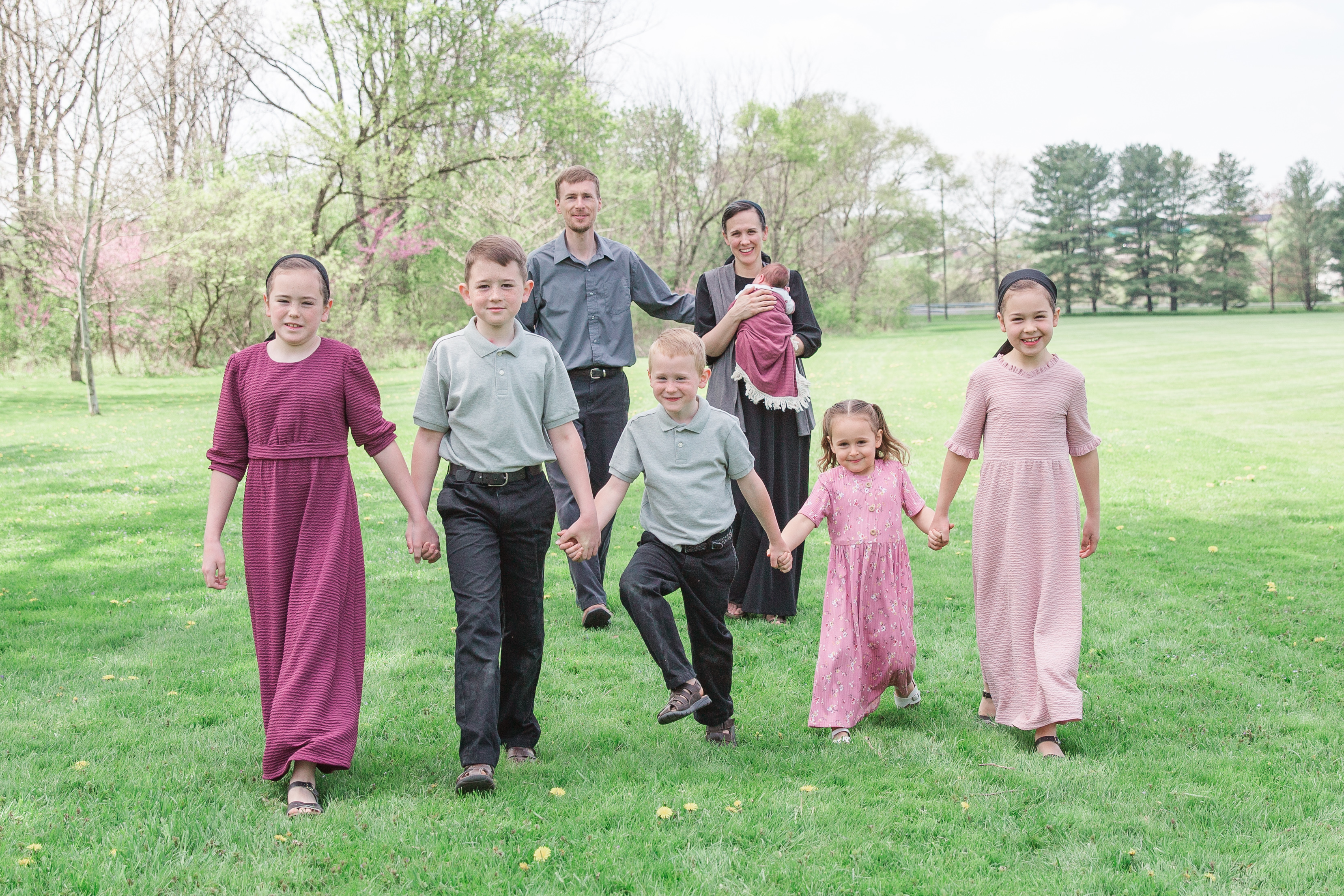
On the home front, my little family is growing and doing well! In spite of lots of babies and the craziness this adds to our calendar, we were thankful to get to spend some time camping over the summer, as well as taking a family trip to Mexico to visit missionaries serving with the organization my husband works for. I couldn’t serve as a midwife without the amazing support of my husband Joel, who graciously steps in to care for everyone when mama disappears at a moment’s notice. With children ranging in age from almost 2 to 10, life at home is always exciting and active, and my girls can’t wait until THEY are old enough to “help mama at births”.
A big thank you to each one of you who have trusted me to support you as you navigated your pregnancies and deliveries—it is something I count a privilege and honor! I love to hear from families, so please feel free to send an update and picture when you have a chance!
Many blessings as you head into the New Year,
Kelsey Martin & Gentle Delivery Midwifery Services
Be sure to check out the blog and Facebook page to stay updated on current news, helpful information, health suggestions, birth stories, and announcement of special events such as playdates!
As we head into flu season and continue to navigate the Covid-19 pandemic, I wanted to share some suggestions for pregnant moms wanting to boost their immune systems. There are so many ways we can proactively support our bodies in order to provide better resistance to germs and illness, and possibly prevent severe sickness. Many women find their immune systems face greater stress during pregnancy, so it’s extra important to try to support your body as it grows a baby while exposed to germs!
Before mentioning specific supplements, it’s important to remember that there are some key factors that also play into your overall health. These factors include:
Sufficient, regular sleep: you need ENOUGH sleep to support your body’s needs, and these needs are often increased during pregnancy. Make a habit of going to bed early enough to get the hours of sleep you need! If you’re having trouble sleeping, let your midwife know (I have some suggestions for pregnancy-induced insomnia, so don’t hesitate to reach out!).
Reduce Stress Levels: stress wears your body down, and makes it harder for your immune system work properly.
Eat a healthful, whole-foods diet with lots of variety. If you need information on what a good pregnancy diet looks like, I highly recommend Lily Nichols’ book Real Food For Pregnancy (check out her blog for helpful info, as well: Lily Nichols, RDN)
Stay hydrated: this helps to keep your body flushed and supported.
Add fermented foods to your diet, such as raw sauerkraut, kefir, etc.
Get 15-20 min of direct sunshine daily whenever possible!
Exercise regularly, especially in the fresh air: a 30 min walk outdoors daily is excellent for ALL pregnant moms!
Consider the following supplements daily (check with your prenatal vitamin to determine your needed dosage to reach the recommended levels below):
High Quality Probiotic: it’s no secret that our culture’s frequent antibiotic usage and lack of cultured and fermented foods are contributing to inadequate and/or imbalanced intestinal flora and correlating issues. A good probiotic with multiple different strains can help your body to work the way it should! One that specifically targets Candida overgrowth can be especially helpful in supporting the immune system. Klair Labs and Jarrow are two brands I recommend, but there are many options out there!
Vitamin C (preferably with bioflavonoids) 2000mg daily: this can be split up throughout the day.
Vitamin D34,000IU daily: for best absorption take with a meal containing fat.
Zinc lozenges5-10mg daily: preferably in the form of acetate.
Elderberry1-2TBL daily
When needing extra support (feeling run down, extra or direct exposure to illness, etc.) you may want to add the following to your regimen for 7-10 days:
Gargle with Salt Water 2-3x/day for 15-30 seconds.
Echinacea: 300-500mg dried herb (capsule or tablet) 3x/day or 2.5-5mL of tincture up to 3x/day
The following are some combination immune boosting blends that are wonderful to have on hand for extra immune support (they contain combinations of the above suggestions):
For clients of Gentle Delivery, you know that routine Group B Strep testing is offered to every expectant mom in accordance with the ACOG standards of care. While the pros and cons of testing and subsequent treatment plans are discussed in detail elsewhere, the purpose of this post is to help you to minimize your risk of developing Group B Strep colonization during pregnancy, thus promoting better health for you and baby (and increasing your chances of obtaining a negative test result!).
If you are interested in researching Group B Strep info, I’d strongly encourage you to read Aviva Romm’s article: Group B Strep in Pregnancy: What’s a Mom to do? You’ll find clear explanations of GBS, risks and benefits of antibiotic treatment, and tips on promoting health. This post by Wellness Mama also includes further links for study along with Katie’s suggestions for avoiding GBS colonization with natural methods: How I Avoided GBS Naturally And finally, this article provides a few other options to consider while making decisions on prevention and treatment: Decrease Your Chances of GBS
As a practicing CPM in a state that does not offer licensure, I am currently unable to offer IV antibiotic treatment to GBS+ clients. This increases my desire to do all I can to help support a mom’s immune system and decrease the possibility of a GBS+ test result, as it greatly simplifies the care protocols and necessary decision making for clients and their families!
So here are the primary suggestions for making your vaginal flora inhospitable to Group B Strep:
High Quality Probiotics (if not started early on in pregnancy, then beginning at 28-32 weeks orally, adding vaginal support at 32-34 weeks)
“Many species of Lactobacillus have been shown to be beneficial to the vaginal flora; Lactobacillus reuteri and Lactobacillus rhamnosis are species known to be especially helpful for supporting healthy vaginal (and bladder) flora, while these and others, including L crispatus and L. salivarius strains, have been shown to to inhibit the growth of vaginal pathogens including Gardnerella vaginalis and Candida albicans, and also reducing the frequency of bladder infections in addition to vaginal infection.
In one study, 110 pregnant women at 35-37 weeks of gestation who were diagnosed by GBS culture as being GBS positive for both vaginal and rectal GBS colonization were randomly assigned to be orally treated with two placebo capsules or two probiotic capsules (containing L. rhamnosus and L. reuteri ) before bedtime until delivery. All women were tested for vaginal and rectal GBS colonization again by GBS culture on admission for delivery. Of the 99 who completed the study (49 in the probiotic group and 50 in the placebo group), the GBS colonization results changed from positive to negative in 21 women in the probiotic group (42.9%) and in nine women in the placebo group (18.0%) during this period. The researchers concluded that an oral probiotic containing L. rhamnosus and L. reuteri could reduce the vaginal and rectal GBS colonization rate in pregnant women.
In another study involving 57 healthy pregnant women, L. salivarus was taken daily by the 25 GBS positive women in the group from weeks 26 to 38 of pregnancy. At the end of the trial (week 38), 72% and 68% of the women were GBS-negative in the rectal and vaginal samples, respectively. The researchers concluded that this seemed to be an efficient method to reduce the number of GBS-positive women during pregnancy, decreasing the number of women receiving antibiotic treatment during labor and birth.” (copied from Aviva Romm’s article here)
In light of these studies, and knowing that probiotics are vitally important to the health of both mom and infant for a variety of reasons, supplementing regularly with probiotics during pregnancy can be beneficial in more ways than one. For GBS specific support, it’s recommended that you begin supplementing orally at 28-32 weeks (though earlier is even better!), and then increasing your oral dosage and consider using a probiotic vaginally for at least 2-4 weeks before your Group B Strep test (and then continue the oral support through the rest of your pregnancy).
As you shop for probiotics, pay attention to the different strains it includes, as not all probiotics are created equal, and they will be most effective against GBS strains if it includes L. Rhamnosus, L. Reuteri and L. Salivarus.
Some brand suggestions that other midwives have given me are:
Eating a diet high in fermented foods/drinks (kefir, sauerkraut, kombucha, yogurt, etc.) help to promote a healthy gut flora.
Eliminating sugar and simple carbs are also effective in promoting beneficial gut flora.
Add 1-2 tbl of coconut oil into your daily diet for it’s antibiotic properties, specifically in the few weeks prior to testing.
Apple Cider Vinegar consumed daily or in capsule form may be helpful.
Vitamin C
Consuming 1000-2000mg of high quality vitamin C daily (in divided does) can help to increase your body’s immune response, which makes it more difficult for unhealthy microorganisms to grow. You can begin this regimen around 30 weeks.
Garlic/Allicin (active component of garlic)
Garlic has been used as an antimicrobial agent for generations, and for good reason. However, high doses of garlic can cause blood thinning, so I don’t recommend staying on high doses of garlic or allicin after obtaining your GBS test. But it is a treatment to consider to reduce the possibility of GBS colonization before getting tested. Currently there is a midwife practice conducting a study where participants are instructed to use Allicin Gel 2x daily for 12-14 days along with ingesting 180mg of Allicin capsules 2x daily for 12-14 days prior to testing. The basis for this study is from a preliminary study done in 2009 where Allicin was shown to reduce the possibility of early rupture of membranes and chorioamnionitis, both of which can be complications of GBS infection. Other methods of using garlic include: taking garlic capsules daily, consume raw garlic daily, and/or insert a raw garlic clove vaginally at night before going to bed.
While we still have a lot to learn about Group B Strep (how exactly it is transmitted, best ways to treat it, and how to prevent it from the beginning), and while there still seem to be a few moms who naturally carry Group B Strep bacteria in their vaginal tract no matter what they try to do about it (antibiotic or otherwise!), one of the benefits of utilizing these suggestions is that they promote health for mom and baby regardless of the GBS presence (or lack thereof). While obtaining a negative Group B Strep test does eliminate a certain amount of worry, risk and decisions, the benefit to your body of increasing the good bacteria and gut flora through healthy foods, probiotic supplementation and other factors may provide long-term benefits that you will see later on. I’d highly encourage every pregnant mom to consider these suggestions, and wish each of you a healthy and safe pregnancy and birth!
I’d also love to hear: did you try any of these prevention methods? How did it affect you and your GBS status? Did you test positive in one pregnancy and then negative in another? What was most beneficial for you?



















 Gentle Delivery Midwifery Services (Centre Co. PA)